
Last updated November 20, 2026
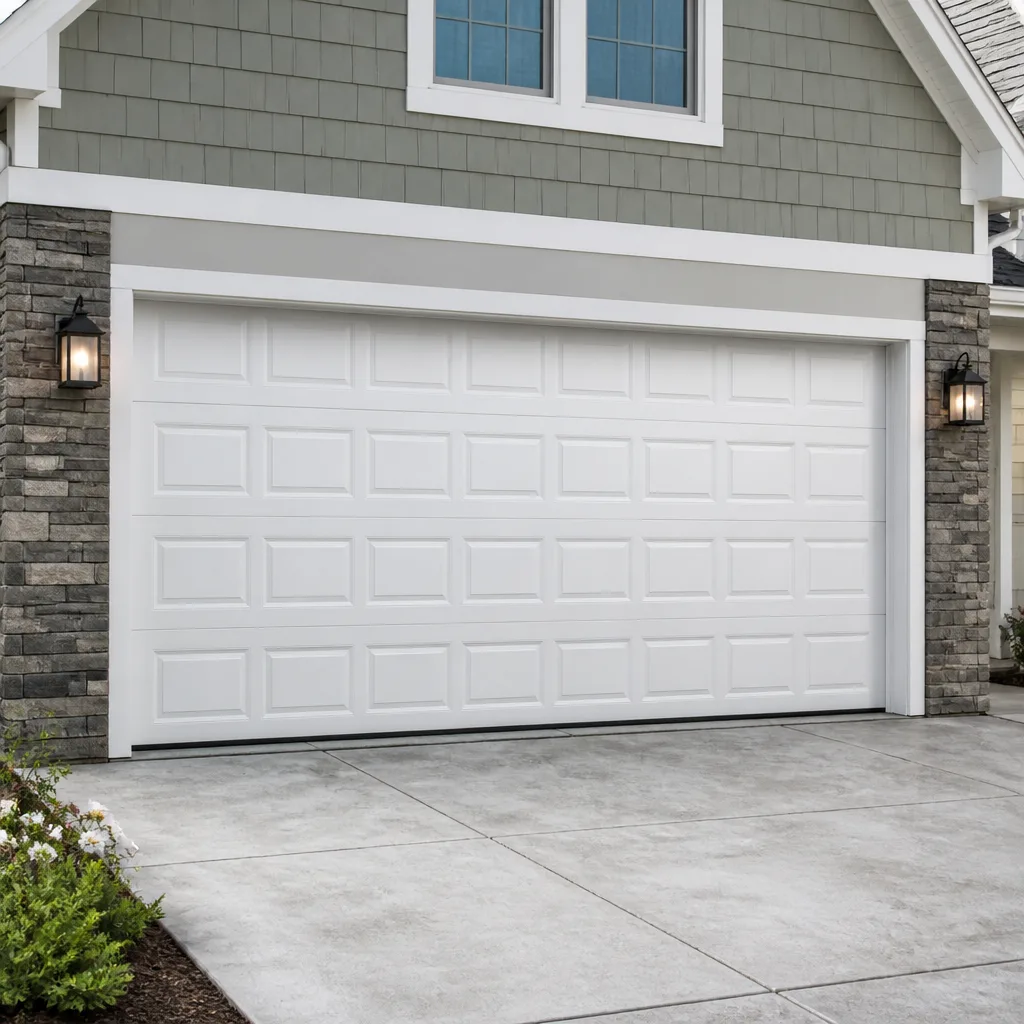 Raised-panel steel
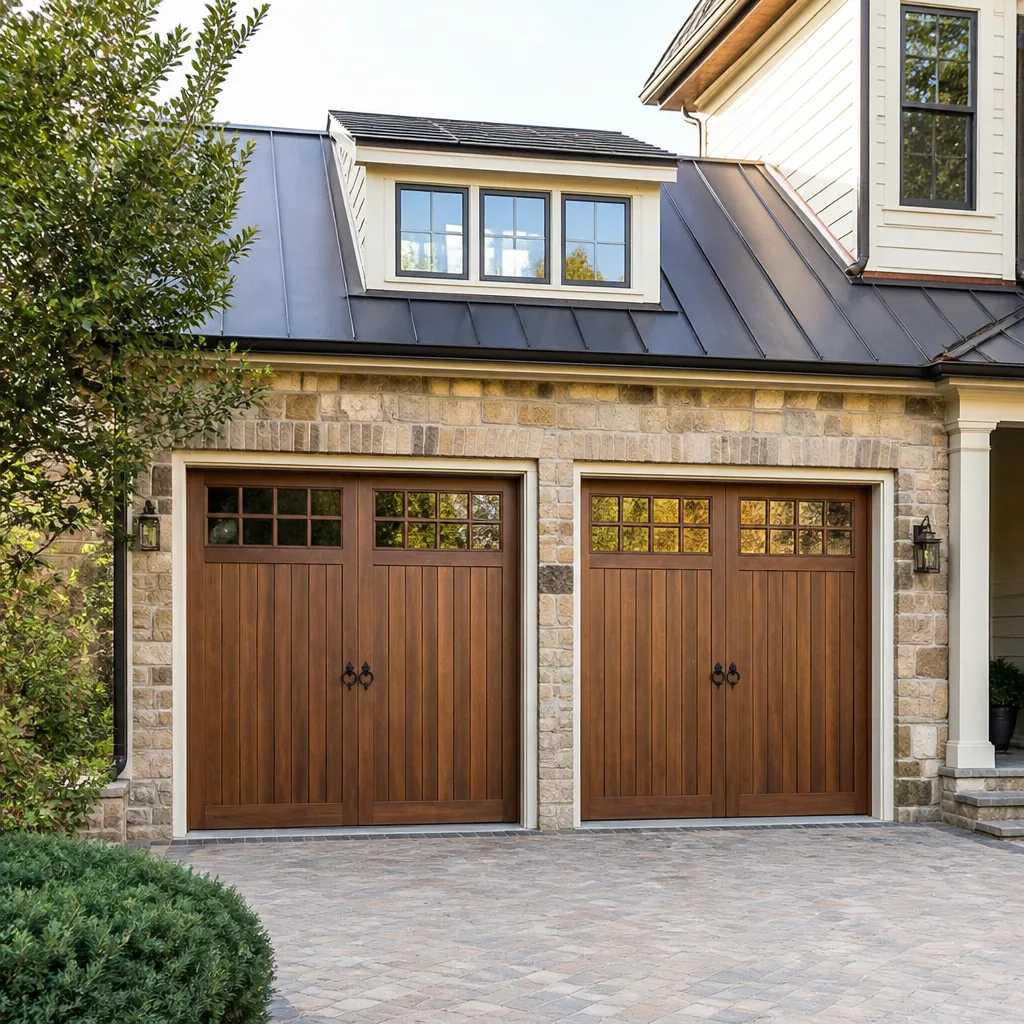 Carriage house
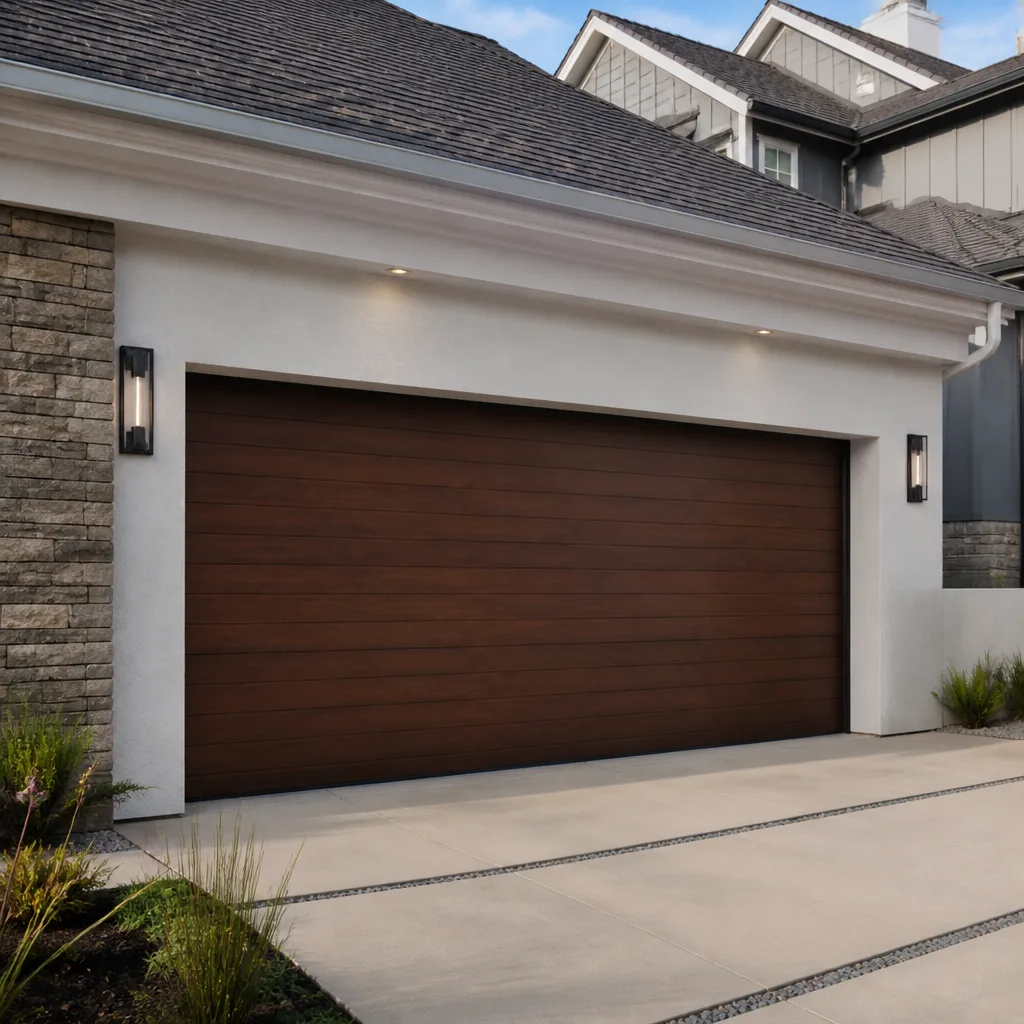 Modern flush
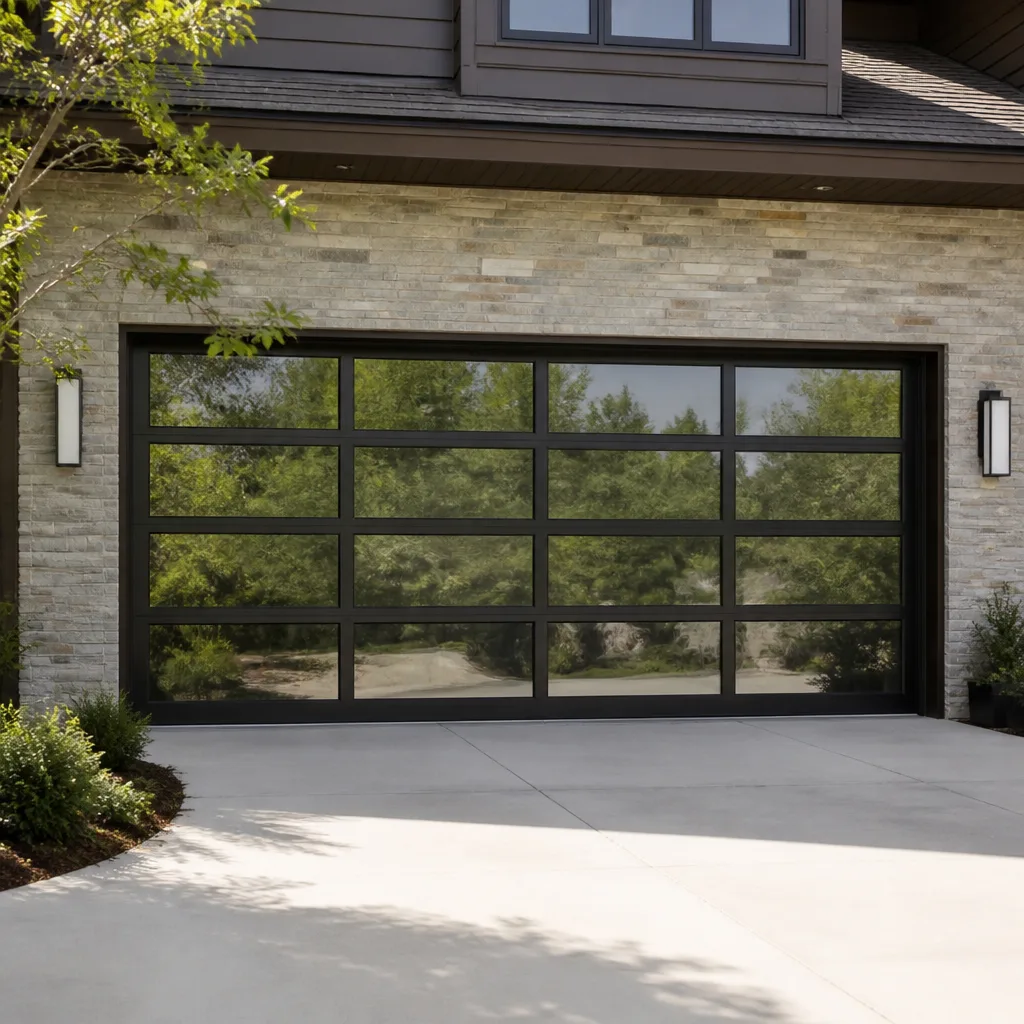 Full-view glass
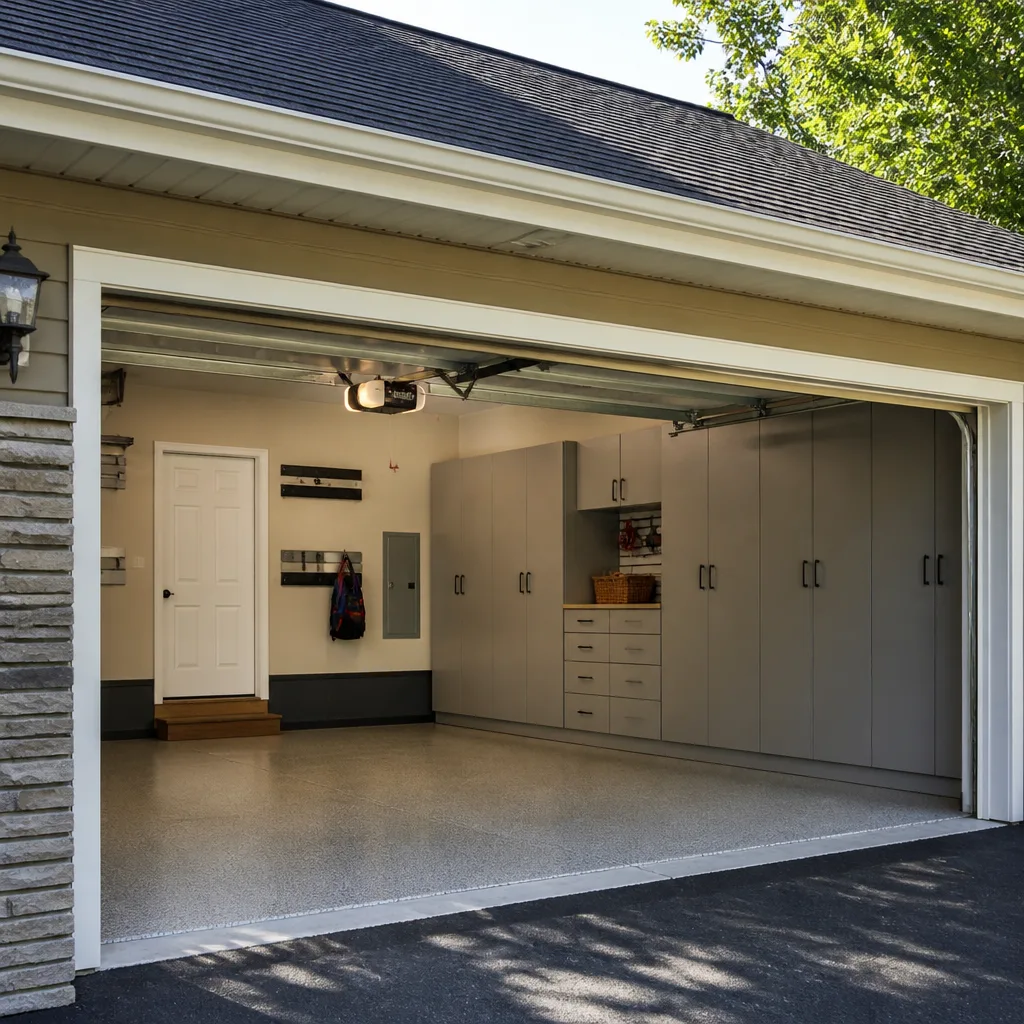 LiftMaster openers
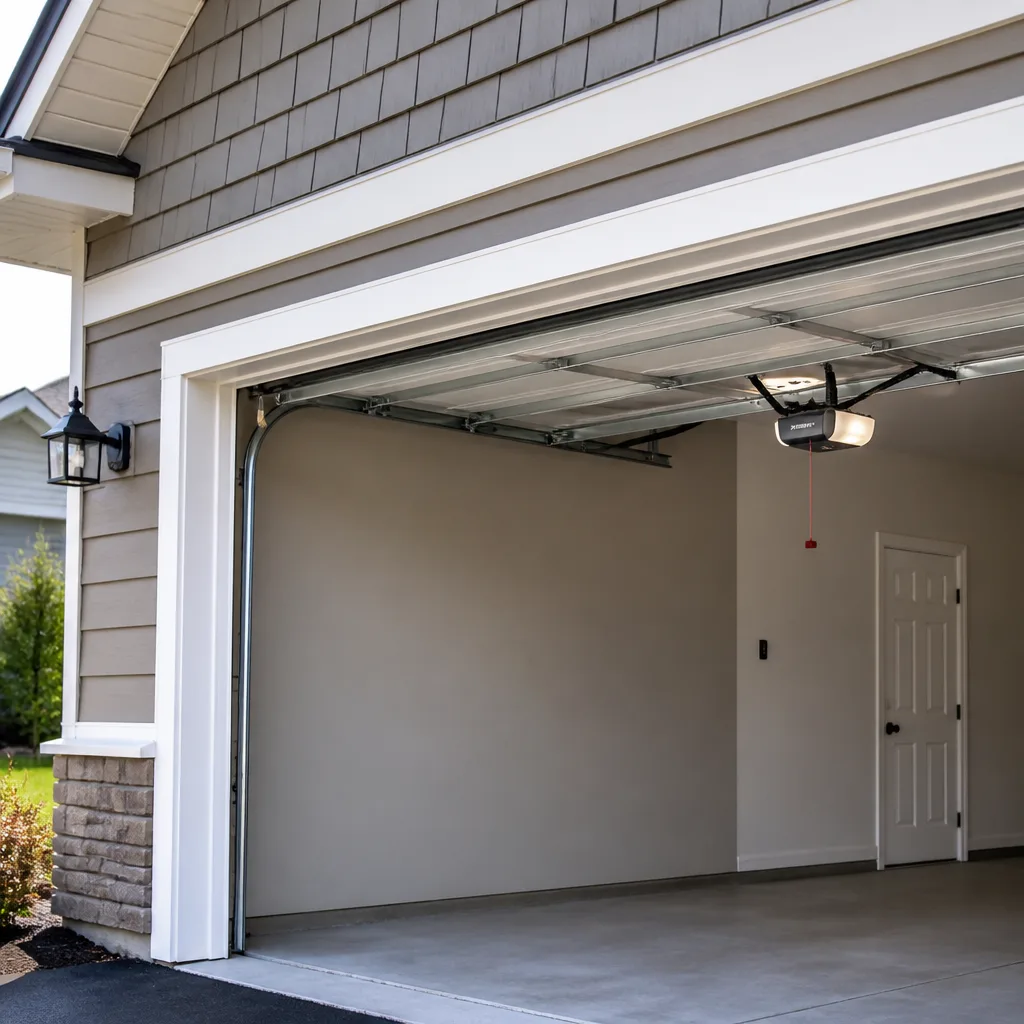 Chamberlain openers
Full 25-point door and opener safety check with every visit - springs, cables, rollers, tracks, and your LiftMaster or Chamberlain opener included
You get a price before we start. It does not change when the pro arrives.
Get your free estimateThe Complete Guide to Garage Doors in Price Hill
Most of Price Hill’s garages weren’t built with today’s 16-foot door in mind. The neighborhood’s housing stock went up largely between the 1940s and 1980s, when single-car garages, detached carriage houses, and narrow legacy openings were the norm. Order a standard door without measuring your rough opening first and you can end up with something that doesn’t fit, doesn’t seal, or doesn’t pass inspection once the frame goes in. That mistake costs real money, and it happens far more than most installers will tell you. This guide walks through what Price Hill homeowners actually face: measuring an older opening, choosing between torsion and extension springs in a low-headroom garage, picking materials that hold up to Cincinnati’s humidity swings, and knowing when replacement beats another repair.
Quick Answer
Garage doors in Price Hill usually need one of two things: a repair to get a tired door working safely, or a measured replacement when the panels, springs, or tracks are past saving. For most older homes here, the deciding factors are rough-opening size, headroom above the door, and whether the garage is attached or detached. Get those three measurements right before you buy anything, and the rest of the decision gets much simpler.
Styles & brands we work with
- Raised-panel steel
- Carriage house
- Modern flush
- Full-view glass
- LiftMaster openers
- Chamberlain openers
Table of Contents
- How do you measure a legacy rough opening in Price Hill?
- Torsion vs. extension springs: which suits a low-headroom garage?
- What door materials make sense for Price Hill’s climate?
- Repair or replace? A cost-per-year way to decide
- Which opener fits your door and your smart-home setup?
- How to vet an installer in the west Cincinnati market
- Why springs and cables aren’t a DIY job
- A simple maintenance routine for older doors
How do you measure a legacy rough opening in Price Hill?
You measure width at the widest point between the jambs, height from the finished floor to the bottom of the head jamb, and headroom from the top of the door opening to the ceiling or the lowest obstruction above it. Measure all three at more than one spot, because older frames in Price Hill are rarely perfectly square. A door that reads 8 feet at the left jamb and 8 feet 1 inch at the right needs the larger number or it won’t clear.
Here’s the order we walk homeowners through:
- Width. Measure between the inside faces of the left and right jambs at the floor, mid-height, and near the top. Use the narrowest reading.
- Height. Measure from the floor to the head jamb at both sides and the center. Use the shortest reading.
- Headroom. Measure from the top of the opening to the ceiling. This number decides whether a torsion spring fits at all, which we’ll cover in the next section.
- Backroom. Measure the depth of the garage from the door to the back wall. A door needs roughly its own height plus a bit of clearance to sit fully open.
- Sideroom. Measure from each side of the opening to the nearest wall. Track and spring hardware needs room to mount.
In Price Hill’s pre-1980s homes, common findings are single-car openings around 8 or 9 feet wide, occasional 7-foot heights instead of the modern 7-foot-then-some standard, and detached garages where the backroom measurement gets tight fast. If your opening is non-standard, that’s not a dealbreaker. Clopay and Amarr both build to custom sizes, so the fix is ordering correctly, not forcing a stock door into a space it was never meant for.
Torsion vs. extension springs: which suits a low-headroom garage?
Extension springs stretch along the horizontal tracks above the door and are the older system you’ll find in a lot of detached Price Hill garages. Torsion springs mount on a shaft above the door and twist instead of stretch. The short version: torsion systems last longer and run smoother, but they need headroom above the door. Extension springs work in low-clearance spaces where a torsion bar simply won’t fit.
Which one is right for you depends on your garage:
- Attached garage with normal headroom (12 inches or more above the door): torsion is the better long-term choice. It’s quieter, it handles heavier doors, and when a spring fails the door usually stays put rather than slamming.
- Detached garage with low headroom: extension springs are often the practical answer. They need less vertical space, which matters in the older carriage-style garages scattered through Price Hill.
- Single-car door with a tight ceiling: a low-headroom torsion setup is possible, but it requires specific hardware. Don’t assume any installer stocks it.
One thing to know before you decide: extension springs on older doors are frequently missing their safety cables. Those cables run through the center of the spring and contain it if it breaks. Without them, a failed extension spring can fly across the garage. If you look up and see bare springs with nothing threaded through them, that’s worth addressing.
We repair and replace both systems, and we’ll tell you which one your garage is actually suited for rather than pushing a torsion conversion that doesn’t fit your ceiling. If you’re hearing a loud bang or finding a gap in the spring, that’s a job for garage door spring repair rather than something to ride out.
What door materials make sense for Price Hill’s climate?
Price Hill sits in a part of Cincinnati that swings hard between humid summers and cold winters. That matters for doors because steel dents and rusts at the seams, wood swells and warps, and insulation determines how much of your garage’s temperature leaks into the house or gets baked in by July. There’s no single right material. There’s the right material for your garage, your budget, and how the space is used.
Steel is the most common choice and the easiest to justify. A steel door with a decent gauge (thicker is better) holds up well, and the panel styles from Clopay and Wayne Dalton cover most of what you’ll see on the block. The weak point is the bottom section, where moisture collects. In a humid climate, a bottom seal in good condition does more for a steel door’s lifespan than almost anything else.
Insulated steel costs more and pays off if your garage is attached and shares a wall with living space, or if you use the garage as a workshop. The insulation value comes from the core, not the skin, so two doors that look identical from the street can perform very differently.
Wood composite gives you the look of wood with less swelling and warping than real wood. It’s a good fit for the older homes in Price Hill where a modern-looking stamped-steel door would look out of place. Expect to maintain the finish, though. Any wood-look product in a humid climate needs re-sealing every few years.
One caution specific to Cincinnati’s freeze-thaw cycle: whatever material you pick, the door needs to seal against the floor and the jambs. A door that fits loosely lets in cold air, water, and pests, no matter how good the panels are.
Repair or replace? A cost-per-year way to decide
Price the door over the years you’ll keep it, not just the invoice in front of you. A single repair is almost always the cheaper move in isolation. But a door that needs three or four separate fixes across a couple of years is often costing more than a replacement would have, without ever getting you a reliable door.
Use this framework to decide:
- Look at what’s failing. Springs, rollers, cables, and openers are replaceable parts. Bent tracks, cracked panels, rotted bottom sections, and a sagging frame are structural. Parts wear out; structure doesn’t restore itself.
- Add up the last two years of repairs. If you’ve already paid for multiple service visits, that money is gone. What matters is the pace. Two repairs in two years on a door pushing forty is a signal.
- Factor in the age of the door itself. Most steel doors in Price Hill’s older homes have run well past their expected service life. When one major component fails on a door that’s already old, you’re often buying time, not fixing a problem.
- Check whether newer systems would cut your future costs. A torsion upgrade, new rollers, and a properly sized insulated door reduce ongoing maintenance and lower the odds of repeat service calls.
As a rough rule in our experience: if repairs over a two-year window approach the cost of a new door, replacement is usually the better spend. That’s not always true, and a genuinely sound door with one bad spring deserves a spring, not a sales pitch. We’ll tell you which category you’re in. See garage door repair for what a repair visit actually covers.
Which opener fits your door and your smart-home setup?
The opener and the door work as one system, and a mismatched pair is behind a lot of “the door keeps reversing” and “the opener strains” complaints. Two brand ecosystems dominate residential garages, and most homes fall into one: LiftMaster and Chamberlain on one side, Genie and Craftsman on the other. Knowing which one you have tells us how to diagnose it.
What to consider when you’re replacing an opener or choosing one for a new door:
- Lift capacity. A single-car door and a heavy insulated double door need different openers. An underpowered unit strains and wears out faster.
- Smart-home compatibility. If you use a connected-home app or plan to, stay within the ecosystem you’re already in. Mixing brands usually means adding a bridge device that nobody wants to troubleshoot.
- Belt versus chain drive. Belt drives run quieter, which matters if there’s a bedroom above the garage. Chain drives are louder but simpler and cheaper.
- Safety sensors and auto-reverse. Any opener you install needs working safety sensors and a functioning auto-reverse. This isn’t optional and isn’t something to disable when it gets finicky.
We work on both major ecosystems, so you’re not stuck with whichever brand the previous owner installed. If your opener is the problem and the door itself is fine, that’s a separate job from the door – see garage door opener repair for the specifics.
How to vet an installer in the west Cincinnati market
The installer matters as much as the door. In the west Cincinnati market you have three broad options: a dedicated garage door specialist, a big-box store that subcontracts the job out, or a general handyman. Each has a different risk profile, and the cheapest quote isn’t automatically the best deal.
Here’s what to ask before you commit:
- “Who actually does the work?” If the answer is a subcontractor you’ll meet for the first time on install day, that’s worth knowing. A specialist who does the work under their own business name can answer for it.
- “What’s in the written estimate?” Get the door, the hardware, the old-door removal, and haul-away all in writing. Watch for a low quote that quietly excludes removal or disposal.
- “How do you handle a custom size?” If they only sell stock doors, a legacy opening in Price Hill will be a problem. Ask how they measured and what happens if the door doesn’t fit.
- “Are you familiar with my brand?” Brand fluency shows up in how they diagnose. Someone who knows Clopay and Amarr panel systems will spot a fit issue before it becomes a return.
- “What happens if something’s wrong after install?” A door that doesn’t balance or seal correctly isn’t finished. Ask how that gets handled.
A big-box referral has its place for a simple, standard replacement. For a non-standard opening, a detached garage with low headroom, or a door you plan to keep for twenty years, a specialist is a better fit. We provide a free measure and a written price before anything is ordered, so you know the number before you commit. For the full replacement picture, see garage door installation.
Why springs and cables aren’t a DIY job
Torsion and extension springs are under enough tension to cause serious injury, and a garage door is one of the heaviest moving objects in a home. This is the part of the door where saving money can cost you far more than the repair. A trained technician has the tools to release tension safely and knows exactly what’s loaded before touching it.
What a technician does that a homeowner shouldn’t:
- Releases the spring tension with the correct winding bars and sequencing.
- Checks the cables, drums, and bearings for damage the tension release can expose.
- Balances the door after the new spring goes in, which determines how hard the opener works.
- Verifies the safety reverse and sensor function before leaving.
There are things you can safely check yourself: whether the door moves smoothly by hand when the opener is disconnected, whether the safety sensors are aligned and their lights are solid, and whether the bottom seal is intact. If something feels off beyond that, call. Our technicians handle spring repair as a dedicated service because it’s the most dangerous repair on the door, and getting it wrong has real consequences.
A simple maintenance routine for older doors
A few minutes a couple times a year keeps older doors working and catches small problems before they strand you. These steps are safe for a homeowner:
- Listen. A door that squeaks, grinds, or bangs is telling you something. Note where the sound comes from.
- Lubricate the moving parts. Rollers, hinges, and the spring area take a quality garage door lubricant, not general-purpose oil. Avoid the tracks.
- Check the balance. Disconnect the opener, lift the door halfway, and let go. A balanced door stays put. One that drops or drifts needs attention.
- Test the safety reverse. Put an object flat in the door’s path and confirm the door reverses. Test the sensors the same way.
- Look at the seals. Bottom seal, weatherstripping, and jamb seals should be intact. In a humid climate, these do a lot of the work.
- Inspect the spring and cables visually. Look for gaps in the spring, separated coils, or frayed cables. Don’t touch them. Note what you see and call.
If you notice a spring with a gap in it, that’s a broken spring, and the door shouldn’t be run until it’s fixed. Running a door with a broken spring puts the whole load on the opener and can bend the door.
Common Mistakes to Avoid
- Ordering a stock door without measuring the opening. Price Hill’s older homes rarely match modern standard sizes exactly. Measure width, height, headroom, backroom, and sideroom before you buy anything.
- Assuming torsion springs will fit a low-headroom detached garage. They may not. Confirm your headroom before committing to a conversion.
- Skipping safety cables on an extension-spring door. Without them, a broken spring can fly across the garage. Check before you trust the door.
- Running the door with a broken spring. The opener carries the whole load and often ends up damaged along with the door.
- Hiring a big-box referral for a non-standard opening. A crew that installs only stock doors will struggle with a legacy size. Ask how they handle custom measurements.
- Taking the lowest quote without reading what’s included. A quote that leaves out removal or haul-away isn’t cheaper. It’s just incomplete.
- Disabling safety sensors when they act up. Sensors that keep tripping are a signal, not a nuisance. A door that won’t stop for an obstruction isn’t safe to operate.
See the difference
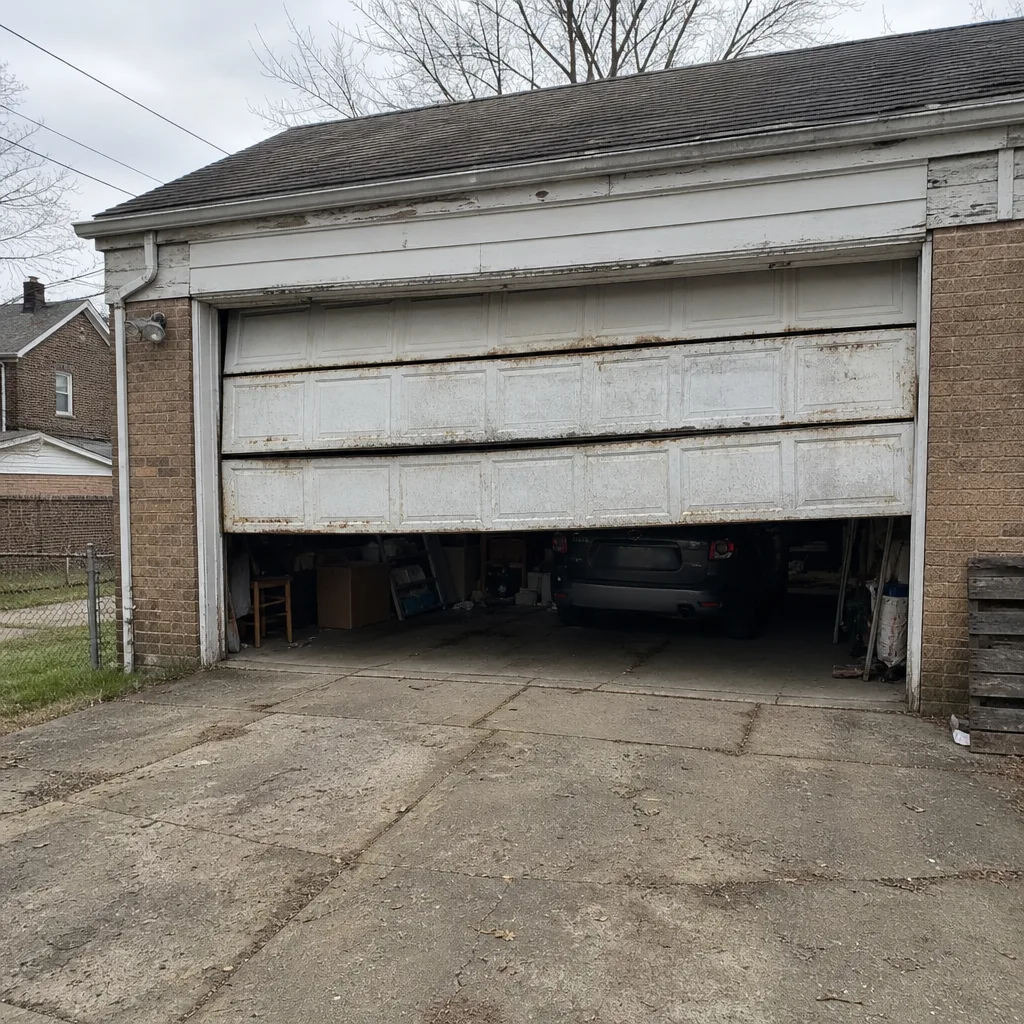 Before
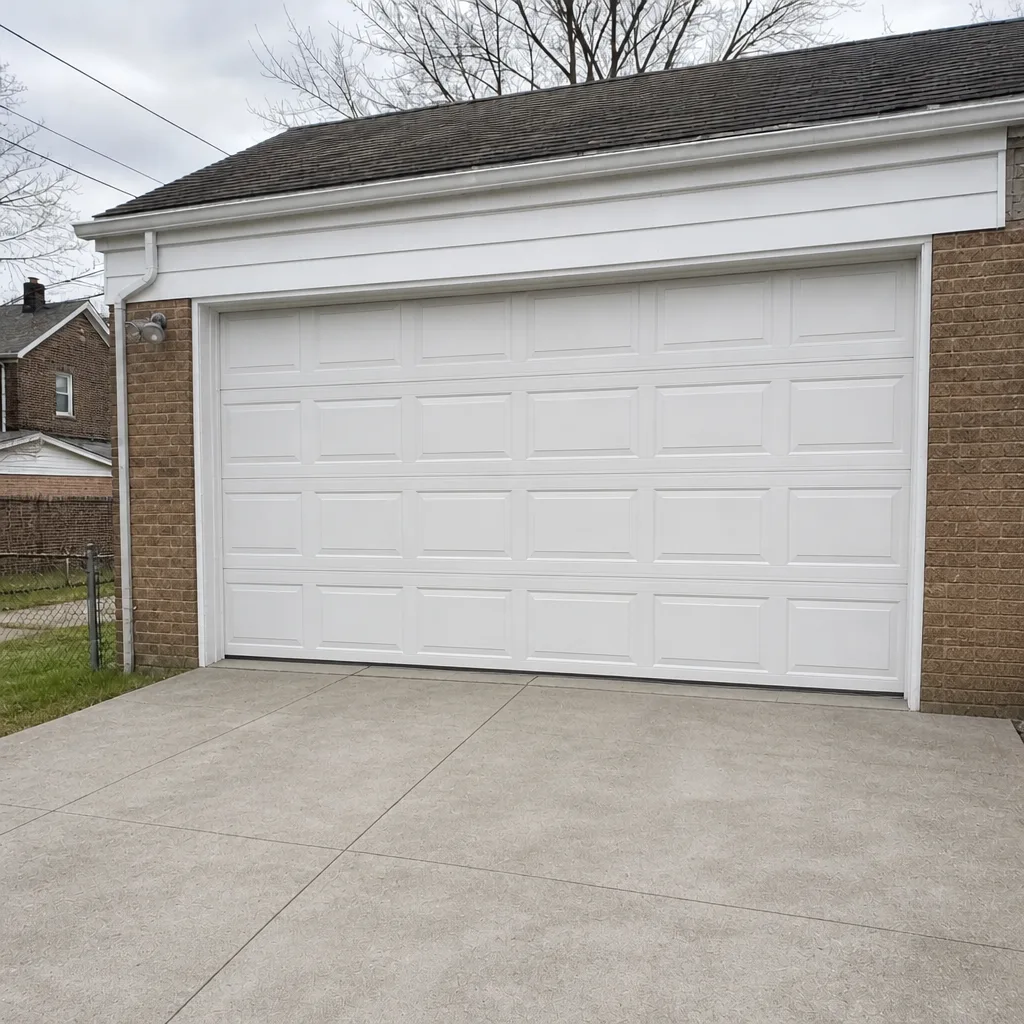 After
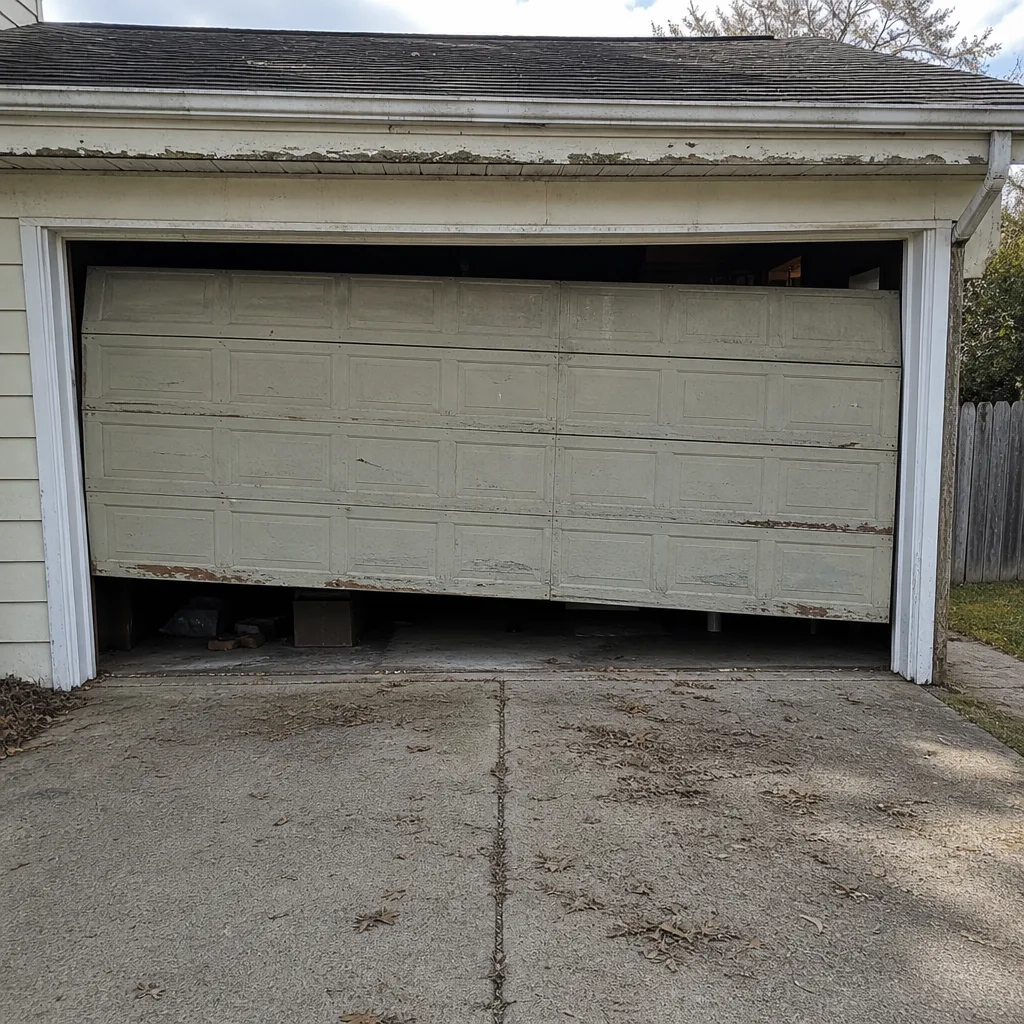 Before
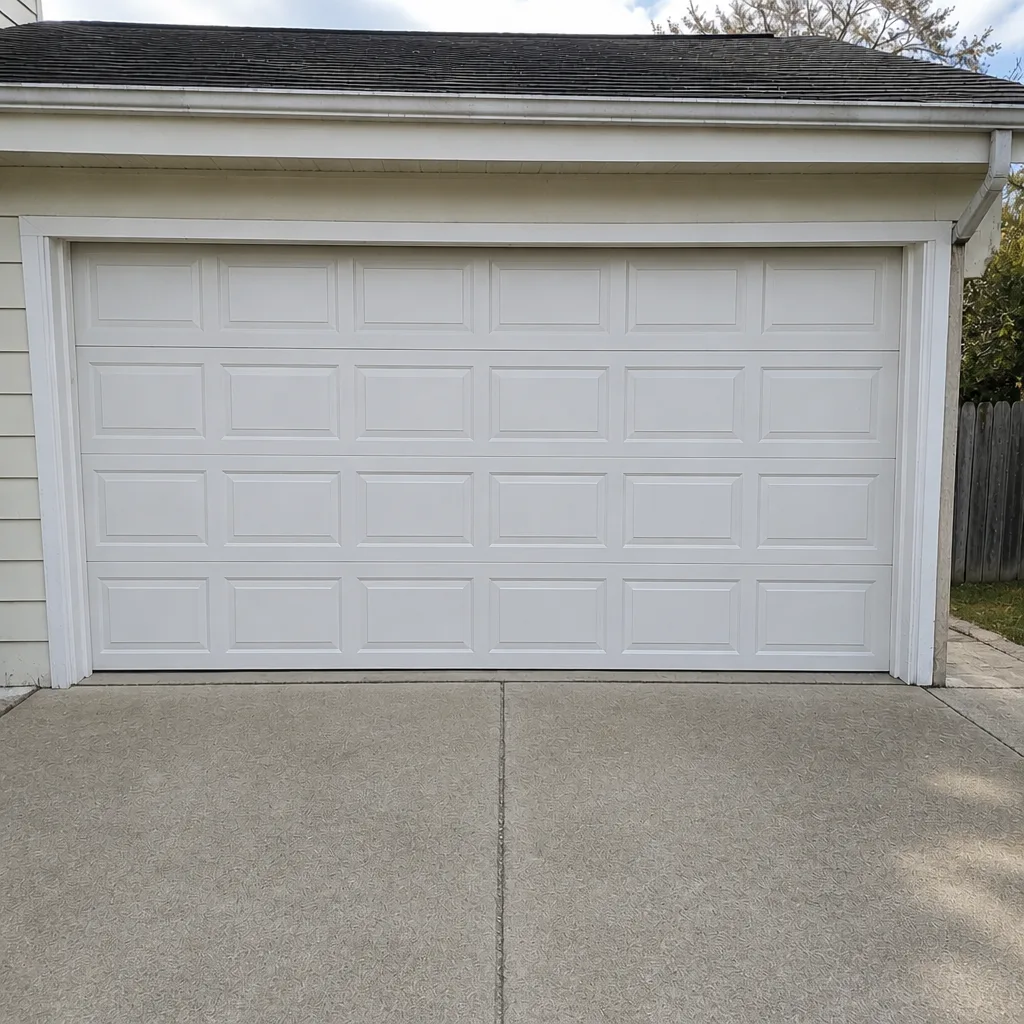 After
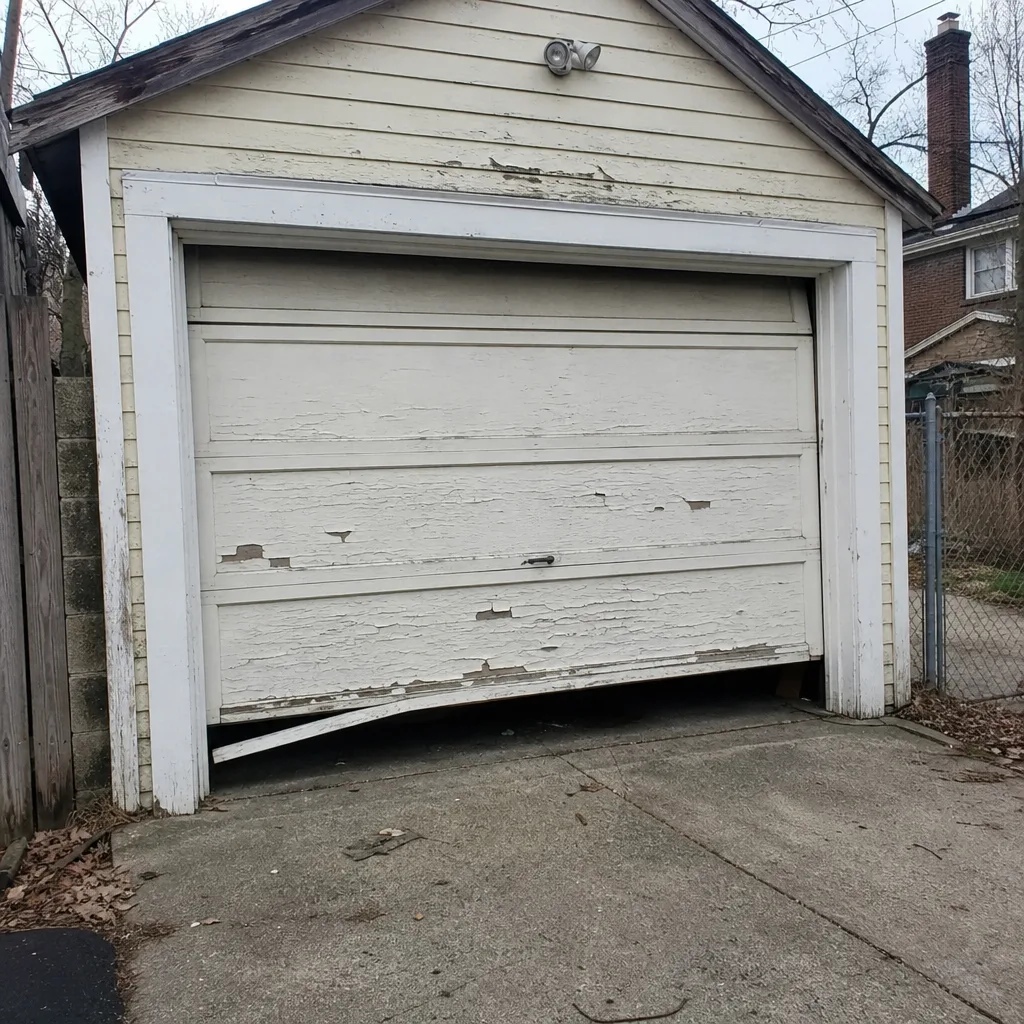 Before
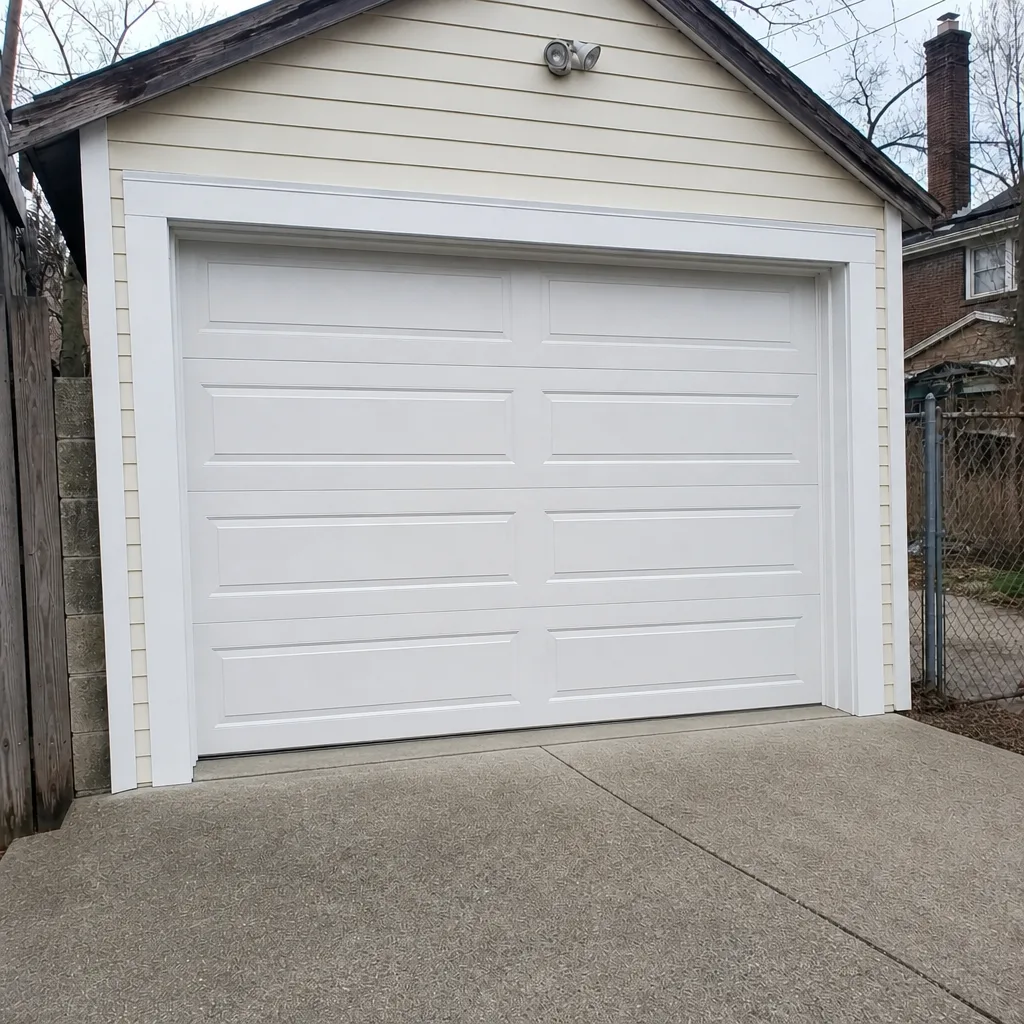 After
When to Call a Professional
Call a trained technician for anything involving springs, cables, torsion drums, and the balance of the door itself. Call us if the door won’t open or close, if you’ve found a gap in the spring, if the door is stuck open and the house is unsecured, or if the opener grinds, stalls, or reverses on its own. If a door you’re considering replacing has a non-standard opening, we’ll measure it before you buy so you’re not caught with a door that doesn’t fit. Garage Door Repair Price Hill offers free estimates in Price Hill – call (855) 773-8249. We answer 24/7.
Frequently Asked Questions
Replacing the door and its springs is not a safe DIY project. A torsion or extension spring holds enough tension to cause serious injury if released incorrectly, and a door that isn’t balanced after installation strains the opener and wears out fast. Measure and choose the door yourself if you like, but leave the spring work and the install to a trained technician.
Most of the neighborhood’s housing went up between the 1940s and 1980s, when single-car and narrow openings were common. That means standard stock sizes often don’t match, and detached garages frequently have low headroom. The fix is measuring your opening precisely and ordering a door to fit, not forcing a stock door in.
Torsion springs twist on a shaft above the door and generally last longer, but they need headroom. Extension springs stretch along the tracks and work in low-clearance spaces. The right choice depends on your garage’s headroom and how old the door is. We’ll tell you which one your space is set up for.
Most standard single-door installations finish in a few hours once the door has arrived. Custom-sized orders take longer to arrive in the first place, so the measurement should happen well before you need the door. We’ll give you a written time frame with the estimate.
We work on both major ecosystems: LiftMaster and Chamberlain on one side, Genie and Craftsman on the other. That covers most residential openers in Price Hill. We can also diagnose a door that’s fighting its opener, since the two need to work together.
A correctly repaired door opens and closes smoothly, balances when disconnected from the opener, and reverses on the safety sensor. If it doesn’t, that’s not finished work, and we’ll come back and sort it out. Call (855) 773-8249 and we’ll book the follow-up.
Garage Door Repair Price Hill provides the full range of service for homeowners in the neighborhood, from a single broken spring to a complete measured replacement.
The Bottom Line
Price Hill’s older housing stock shapes almost every garage door decision. Measure your rough opening before you buy, know your headroom so you can choose between torsion and extension springs, pick a material that suits Cincinnati’s humidity swings, and judge repair versus replacement on cost over time rather than a single invoice. Then vet your installer on how they handle a custom size and whether they know your brand. Get those right and the door you end up with will fit, seal, and last. If you’re not sure where you stand, a free estimate is the fastest way to find out. Call (855) 773-8249. We answer 24/7. Fast dispatch from 7am to 7pm, Sunday through Friday.
Written by the team at Garage Door Repair Price Hill.