
Last updated November 20, 2026
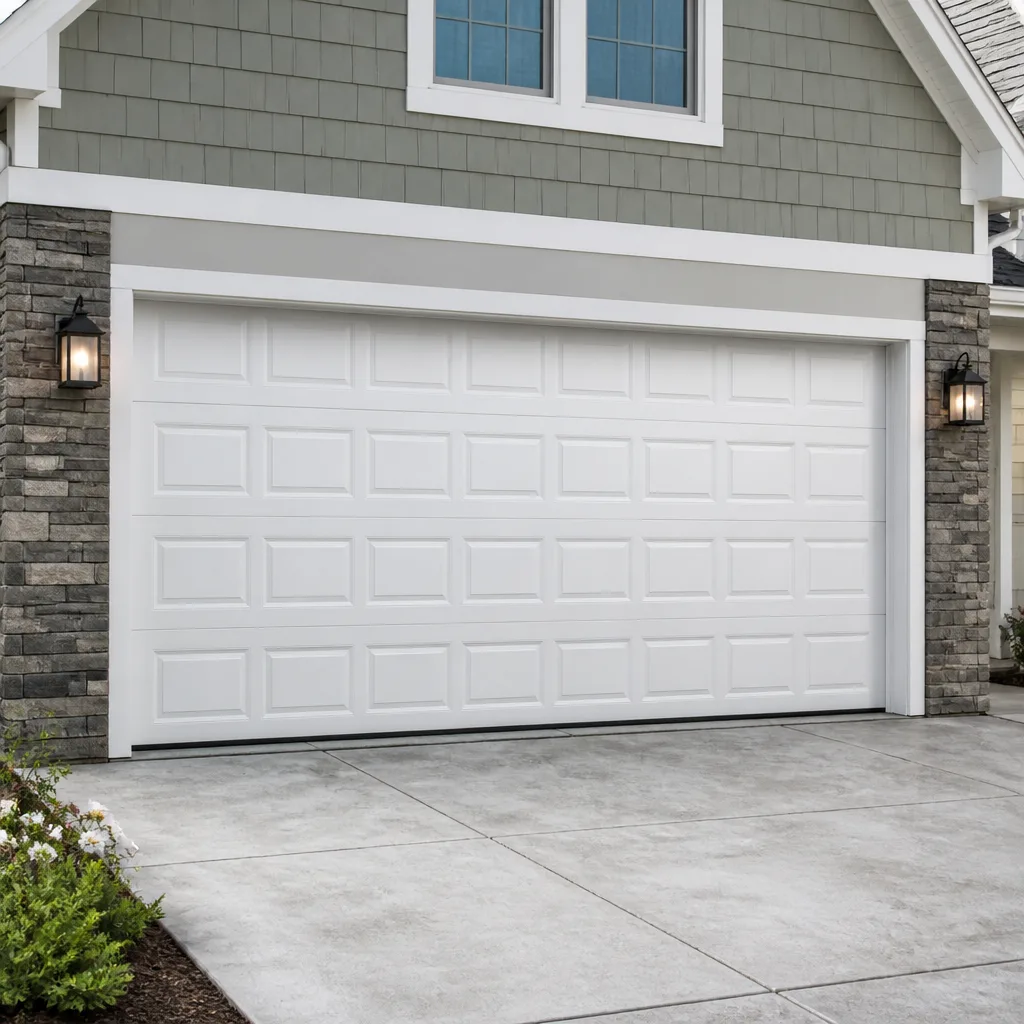 Raised-panel steel
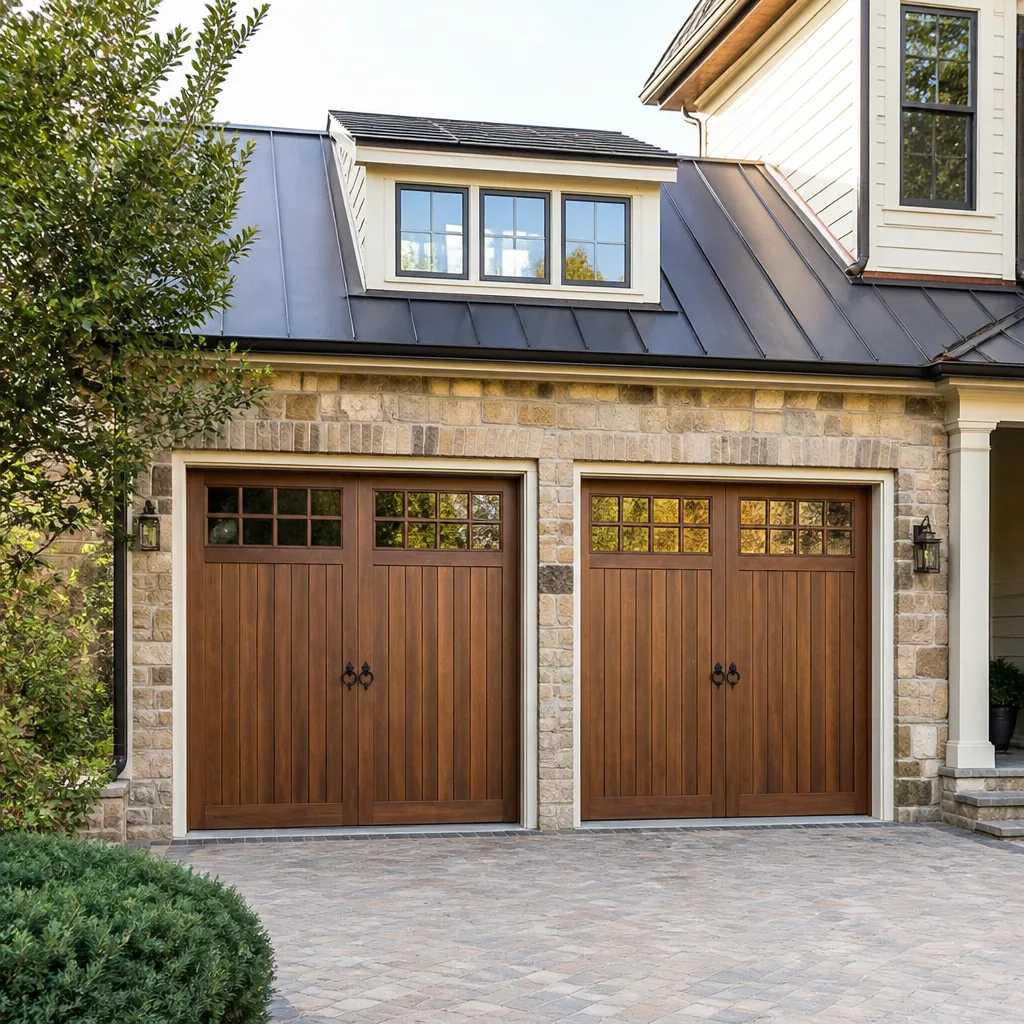 Carriage house
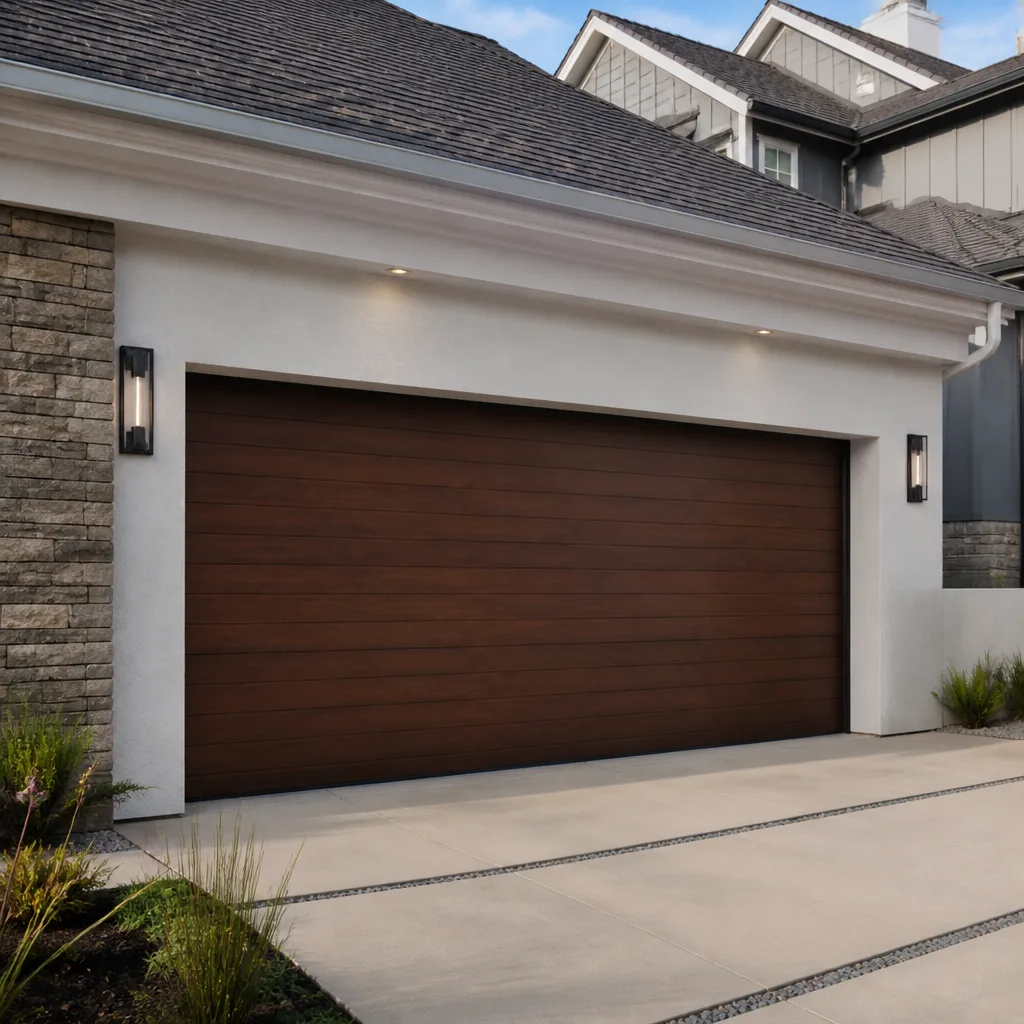 Modern flush
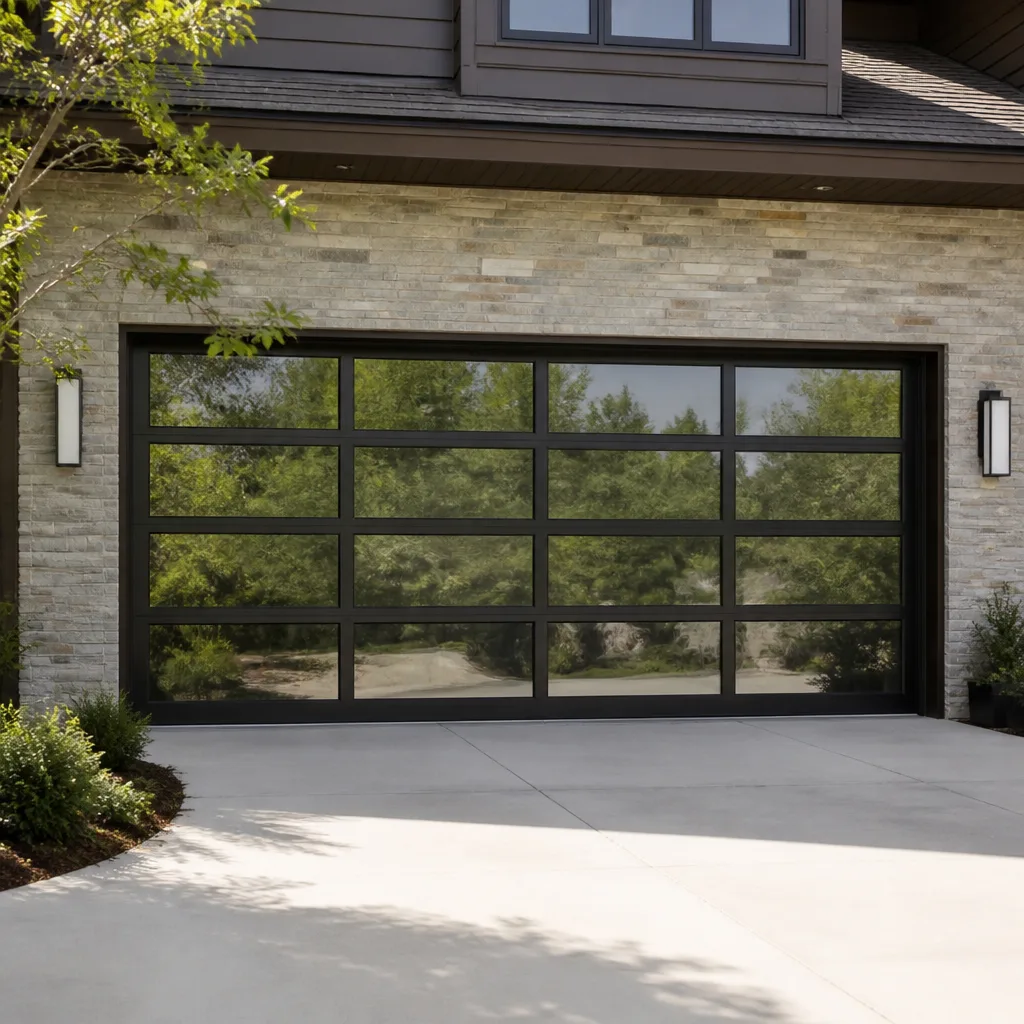 Full-view glass
 LiftMaster openers
 Chamberlain openers
Full 25-point door and opener safety check with every visit - springs, cables, rollers, tracks, and your LiftMaster or Chamberlain opener included
You get a price before we start. It does not change when the pro arrives.
Get your free estimateGarage Door Permits, Codes & Inspections in Price Hill, OH: What You Need to Know
Here’s a fact that surprises most homeowners: swapping a spring or a single panel almost never needs a permit, but a full door replacement or a new opener install in some Cincinnati jurisdictions can. The gap between “usually exempt” and “actually required” is exactly where closing-table headaches live. If you sell your Price Hill home and a buyer’s inspector flags a garage door installation that should have been permitted but wasn’t, you’re suddenly in a repair-or-renegotiate conversation – a lot more expensive than the permit itself would have been. In this guide we’ll walk through which projects need permits, how the process works, what Ohio expects from automatic openers, and how to spot an installer who skips the paperwork.
Quick Answer
Most like-for-like garage door repairs in Price Hill – a spring, cable, roller, or panel swap on an existing door – do not require a permit. A full garage door replacement or a new automatic opener installation often does trigger a permit and inspection under Cincinnati and Hamilton County residential rules, and the exact line depends on the jurisdiction and the scope. Always confirm the current requirement with the City of Cincinnati’s building department before work starts, and hire an installer who pulls the permit when it’s required.
Styles & brands we work with
- Raised-panel steel
- Carriage house
- Modern flush
- Full-view glass
- LiftMaster openers
- Chamberlain openers
Table of Contents
- Which garage door projects need a permit in Price Hill?
- What garage door work is usually exempt?
- How the permit process works for a full door replacement
- Ohio code requirements for automatic openers
- What “unpermitted work” means for insurance and disclosure
- How to verify your installer is pulling permits
- Common mistakes to avoid
- Frequently asked questions
Which garage door projects need a permit in Price Hill?
In our experience across Price Hill, permits for garage door work fall into two buckets: replacement of the door or the opener, and repairs to the existing assembly. Repairs stay in the “usually no permit” lane. A whole new door – or a new opener where none existed – leans toward “check with the city first.”
The reason is straightforward: a permit and inspection exist to confirm the assembly was installed correctly and safely, not to track every repair. A door replacement is a structural change to the opening. An opener install introduces electrical connection and travel-force calibration. Both are exactly the kind of scope that inspectors want to see.
Here’s roughly how a full replacement breaks down in the Price Hill market:
- Repair of an existing door (spring, cable, roller, hinge, section) – typically no permit; a competent installer will still test the balance and safety reverse.
- Full door replacement, same opening size – commonly requires a permit in Cincinnati-area jurisdictions; check with the building department before scheduling.
- New automatic opener install on an existing door – often requires a permit because it involves low-voltage wiring and entrapment safety compliance.
- Opener swap of the same model type – sometimes exempt; sometimes treated as an install. Confirm.
- Enlarging the opening or changing door type (roll-up to sectional, for example) – consistently a permit project because the header, tracks, and springs change.
Before you book a garage door installation, ask the installer one direct question: “Does this scope require a permit in my jurisdiction?” If they answer with a blank look or a quick “no, you don’t need one,” that’s a signal to slow down. Codes vary block to block in older Cincinnati neighborhoods, and Price Hill has a lot of housing stock from many different decades.
What garage door work is usually exempt?
The repairs that make up most of our calls in Price Hill rarely need a permit. A snapped torsion spring, a frayed lift cable, a bent roller, a section panel replacement on a Clopay or Amarr door – these are maintenance items on an existing, already-permitted assembly. The original door was likely permitted when it went in, and restoring it to working condition doesn’t create a new code concern.
To be explicit, here’s what we treat as “usually no permit” work:
- Replacing one or both torsion springs (one spring is the pricing unit; a matched pair costs roughly double)
- Replacing lift cables, drums, or cable drums
- Swapping rollers, hinges, or bearings
- Replacing an opener remote, keypad, or wall button
- Resetting travel limits, force settings, or sensor alignment
- Replacing a single damaged section on a sectional door when the tracks and header are untouched
- Adjusting a track that was knocked out of alignment
The exception is when an exempt repair turns into a scope change. If a bent track means new tracks, or a damaged section forces a full door replacement, the job moves into permit territory. That’s why it pays to get a written diagnosis before work starts – the written estimate is what you’re agreeing to, and it should match the scope that inspectors care about.
Also worth checking with the city: any repair that removes and reinstalls the opener. If the electrician or installer has to disconnect hard-wired power, the scope can drift into a permit discussion even if the door itself is exempt. Always call the City of Cincinnati building department when you’re unsure; it’s a two-minute question and it settles the matter.
How the permit process works for a full door replacement
Here’s how a permitted door replacement typically goes in Price Hill, in plain English:
- Get a written scope and measure. The installer confirms door dimensions, weight, spring type, and whether the opening is standard. A free measure and written estimate happen before any paperwork.
- Confirm the permit requirement. Either you or the installer calls the Cincinnati building department to confirm whether this specific replacement needs a permit. Different scopes and different jurisdictions within Hamilton County can require different paperwork.
- Pull the permit. In most residential cases, the licensed contractor pulls the permit as part of the job. If your installer asks you to pull it as the homeowner, that’s unusual and worth questioning.
- Schedule the install. Once the permit is issued and the new door is delivered, the install goes in. Most single-door residential replacements fit in a day, weather permitting.
- Schedule the inspection. After install, the city inspector checks that the door operates, the opener safety features work, and the assembly is secured to the framing as required. The homeowner usually needs to be present for access.
- Close out the permit. Once the inspection passes, the permit closes. Keep the paperwork – it’s your proof for any future home sale, insurance claim, or refinance.
Timeline expectations: the permit application and review typically runs a few days to a couple of weeks depending on workload at the building department. The install itself is fast. The inspection comes after install, usually within a few days of the request. So a permitted replacement is roughly a two-to-three-week project from first call to closed permit, with the door itself in for a single day.
Cost of the permit itself varies with jurisdiction and scope; it’s usually a modest line item on the invoice, well under the cost of the door. None of this changes because the install is same-day fast. A permitted replacement is a measured, ordered, scheduled project – not an emergency call.
Ohio code requirements for automatic openers
Automatic garage door openers in Ohio are expected to comply with UL 325, the safety standard for the entrapment protection of door operators. UL 325 requires two key safety features: a primary means of entrapment protection (usually the safety reverse built into the opener’s force sensors) and a secondary means (typically the photoelectric safety sensors mounted near the floor on both sides of the door – the “safety eyes”). Both must function for the opener to be compliant.
What this means for a Price Hill homeowner, in practice:
- The door must reverse on contact. If you place an object (a 2×4 or a rolled-up towel) on the floor under a closing door, the door should stop and reverse when it meets the object. If it doesn’t, the opener is out of compliance.
- The photoelectric sensors must be aligned and working. Broken, misaligned, or missing sensors are the single most common UL 325 violation we see. A Genie or LiftMaster opener with dead sensors can close on a person.
- The manual release must function. The red emergency release cord should disengage the door from the opener smoothly.
- The wall button must be mounted at least five feet off the floor (out of reach of small children), and the opener must not operate from a wall station the homeowner has removed.
These are inspection items. When the city inspector comes out for a permitted replacement or opener install, they will typically test the safety reverse and the sensors. A door that passes looks smooth, quiet, and effortless. A door that fails has a tell – the light blinks, the door stops and reverses partway, or it closes and immediately reopens.
Older openers still common in Price Hill – a Craftsman or Genie from the 1990s – sometimes predate modern sensor requirements. If you’re replacing the door, it’s worth replacing the opener at the same time so both pass inspection cleanly. Dialing in an old opener to pass is possible but often not worth the effort versus a modern unit.
Safety note: never attempt to adjust the travel limits, force settings, or sensor alignment yourself. The opener moves the door with enough force to injure, and misadjusted limits are a leading cause of entrapment incidents. If your door fails a safety reverse test, call a trained technician. Our technicians have up to 15 years of experience diagnosing these systems by brand logic – LiftMaster, Chamberlain, Genie, and Craftsman logic differ enough that guessing is risky.
What “unpermitted work” means for insurance and disclosure
“Unpermitted work” means an improvement that required a permit was done without one. For garage door replacement and opener installation, that’s usually the scope an inspector would care about. Unpermitted work isn’t automatically dangerous – but it becomes a problem the moment someone else needs to see it: a buyer, an insurance adjuster, a lender’s appraiser, or a municipal inspector responding to a neighbor’s complaint.
What can happen if a permitted project wasn’t permitted:
- Insurance claim trouble. Most homeowner policies ask whether work on the home was permitted. If a claim (wind, impact, garage fire) involves an unpermitted installation, the insurer has grounds to question coverage. It doesn’t mean automatic denial, but it does mean extra scrutiny.
- Sale complications. Buyers’ inspectors flag unpermitted work. If a replacement was never permitted, the seller is often asked to permit it retroactively, which can mean opening walls or re-inspecting the assembly – a repair-or-renegotiate situation at the closing table.
- Refinance and appraisal friction. Lenders increasingly ask for proof a structural or safety-related improvement was permitted. A garage door is a safety-related system.
- Disclosure obligations. Ohio real estate disclosure rules require sellers to disclose material defects and known issues. Unpermitted work that affects safety is a disclosure item in practice, even when the technical requirement is fuzzy.
None of this is meant to alarm you. It’s meant to explain why a modest permit cost is a good investment: it closes the door on this whole category of downstream problems. When a Price Hill homeowner hires us to install a new Clopay or Wayne Dalton door, one of the first questions we answer is what paperwork the city wants. Sometimes the answer is “none required”; sometimes it’s “pull the permit.” Either way, we tell them the answer before we start.
If you’ve already inherited unpermitted work – maybe the seller installed the door before the sale – you have options. The city can be asked to retroactively permit the assembly, and an inspection can be scheduled. The cost of retroactive permitting is usually modest; the cost of ignoring it can be much larger. Call your city’s building department and ask about “after-the-fact” permitting for garage door replacement. That’s the normal term.
How to verify your installer is pulling permits
Asking the right questions before the job starts protects you from being the one stuck with the paperwork on the back end. Here’s what we recommend every Price Hill homeowner confirm:
- Ask the installer directly: “Will this scope require a permit, and will you pull it?” A professional answers with specifics. A vague “no permit needed” is a warning sign if the scope is a full replacement.
- Ask what the permit fee is and how it’s itemized on the written estimate. If the answer is “we’ll figure that out,” insist on clarity before signing.
- Ask for the permit number after the job. The contractor should be able to give you the permit number and inspection status. If they can’t, the permit may not exist.
- Ask for proof of state licensing and insurance for the local pro. The licensed local professional should be able to show that they’re licensed and insured as the state requires. Don’t accept verbal assurance alone.
- Ask whether they schedule the inspection or expect you to. In residential work, the licensed installer typically schedules it as part of the job. If the answer is “you do that part,” ask why.
- Compare their quote to the written estimate. The written estimate should state scope, price, and permit line if applicable. The price you agreed to is the price – if there’s a mid-job change in scope, it should be documented before work continues.
Why do some installers skip permits? The honest answer is speed and overhead. Pulling a permit means a call to the building department, a form, a fee, and a follow-up inspection. Skipping it lets a company undercut competitors and finish faster. The savings on paper go to the installer; the risk stays with you. When a company won’t put the permit in the estimate, that tells you something about how they’ll handle any other paperwork problem down the line.
One more check that pays off: ask whether the installer knows your specific brand and how it attaches. A Clopay door and a Wayne Dalton door don’t mount the same way – a company familiar with both installs them to code without needing a second pass. That fluency is the same marker you want in a permit conversation.
See the difference
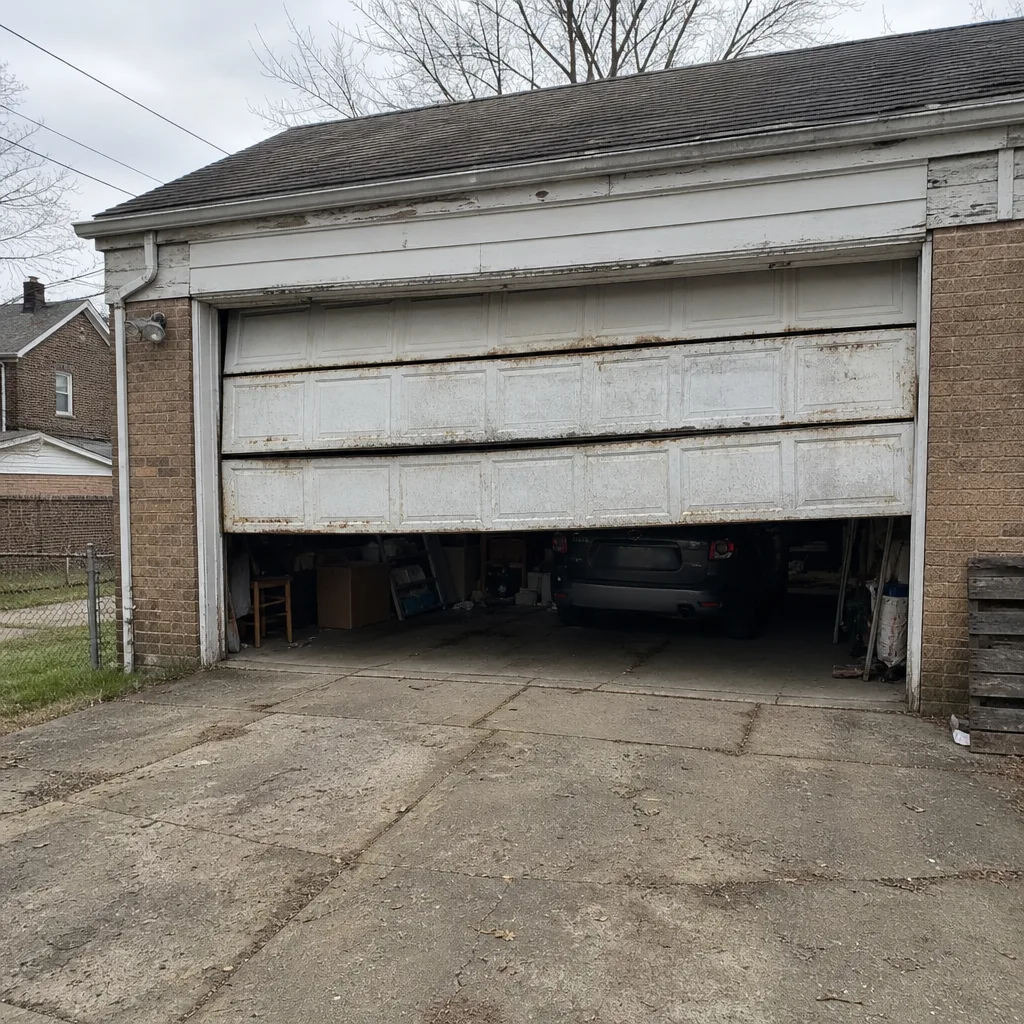 Before
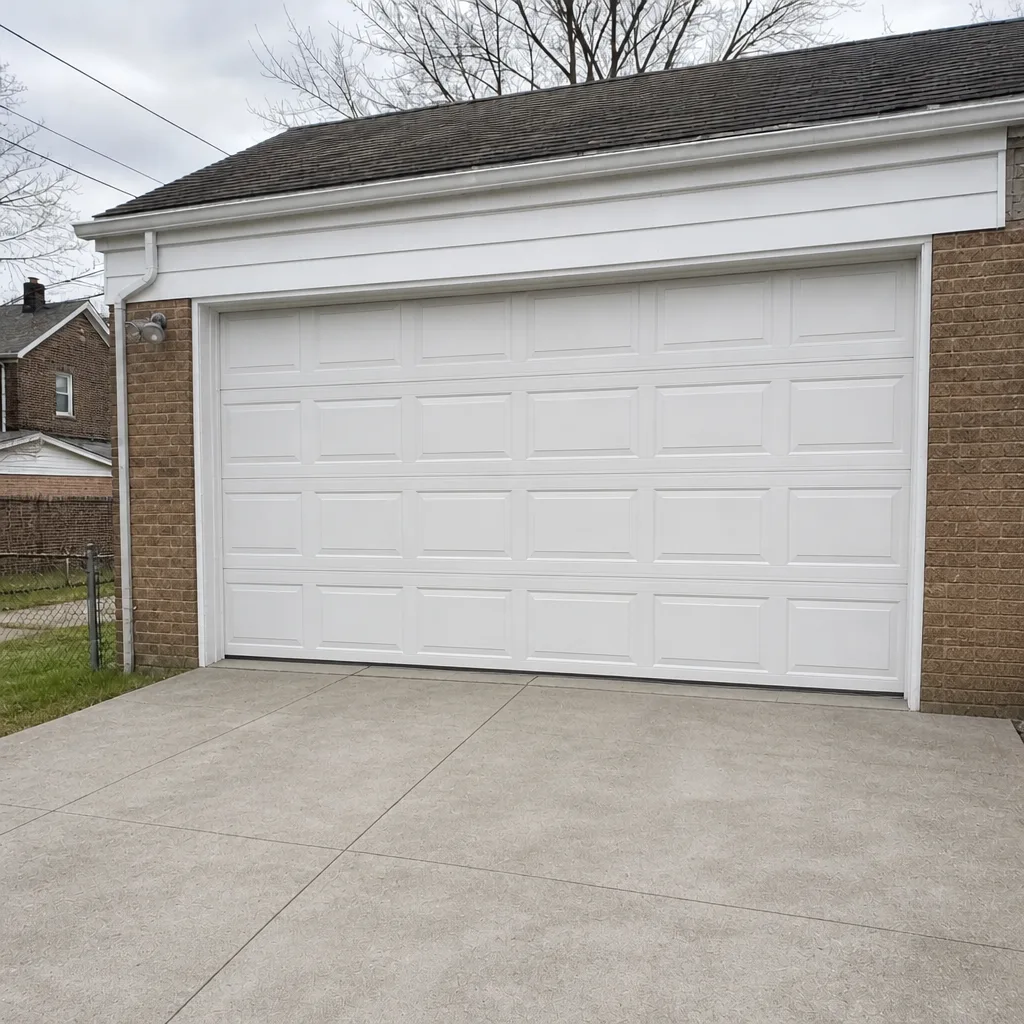 After
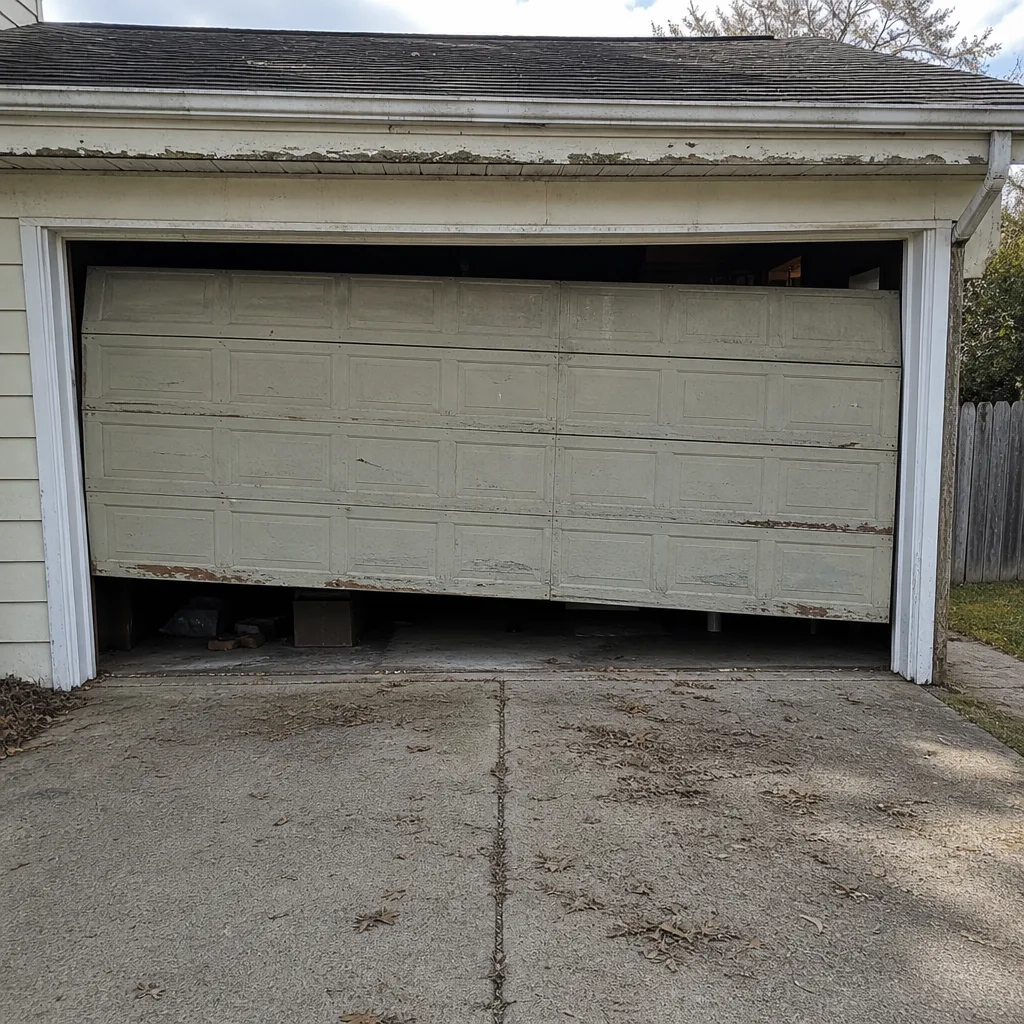 Before
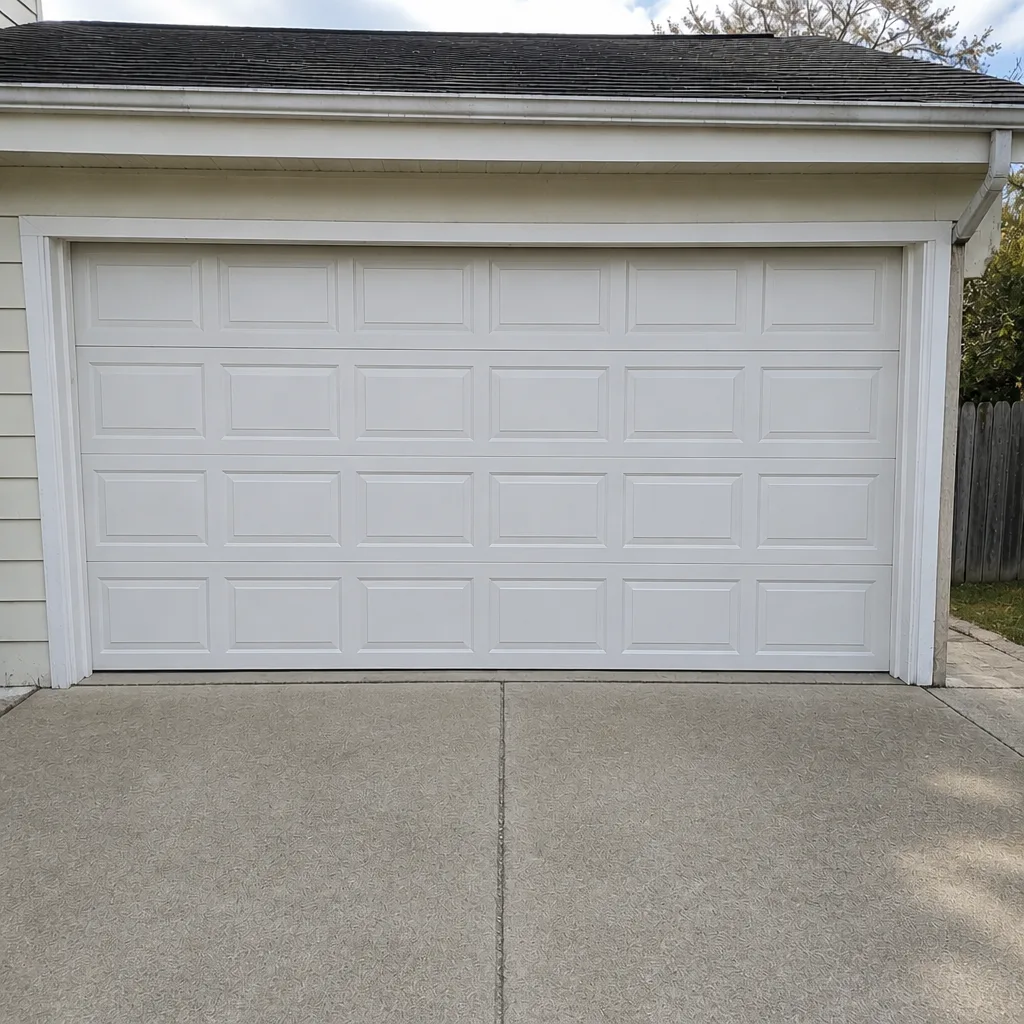 After
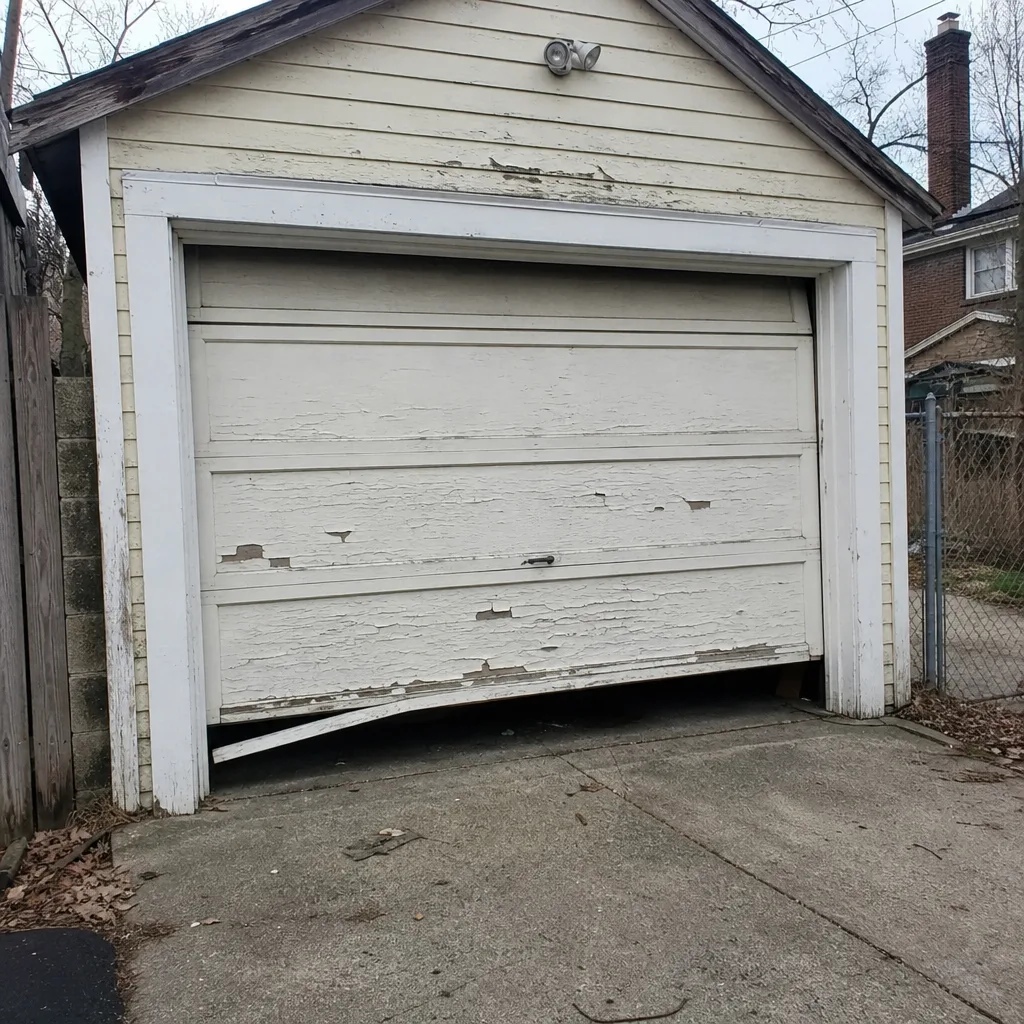 Before
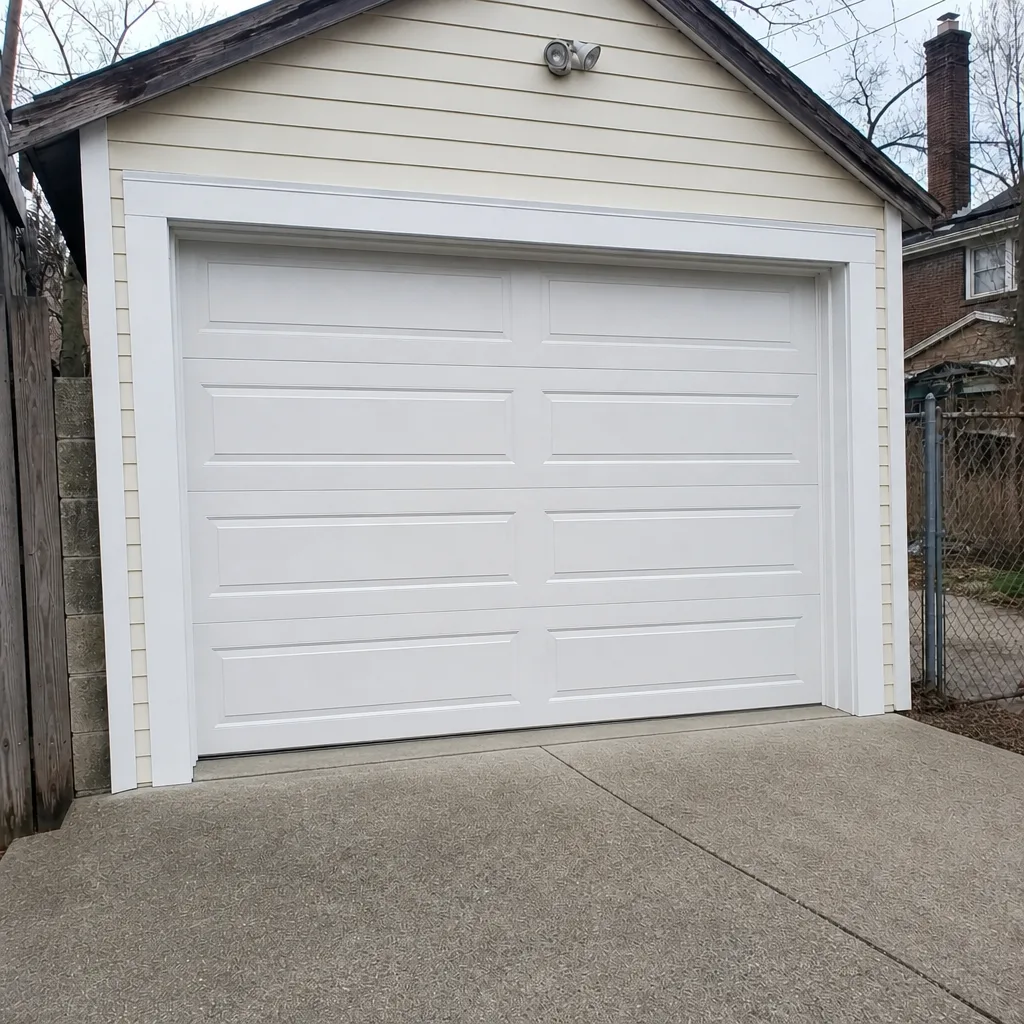 After
Common mistakes to avoid
- Assuming “no permit” because the door is the same size. A like-for-like replacement still often needs a permit in Cincinnati jurisdictions. Confirm with the city before assuming.
- Trusting an installer who says permits aren’t needed for a full replacement. Some scope changes absolutely require a permit, and a confident “no” from an installer on a full door replacement deserves a second opinion.
- Not verifying the safety reverse and sensors after any repair. UL 325 compliance isn’t a checkbox at install – it’s a working system. Test it after every repair.
- Ignoring a dead photoelectric sensor. A blinking opener light and a door that closes and reopens is not a minor inconvenience; it’s an entrapment risk. Get it fixed.
- Pulling the permit yourself as the homeowner. Some companies ask this. It puts the paperwork risk on you and often flags the job to inspectors for the wrong reasons.
- Losing the paperwork after the job. Keep the permit number, the inspection record, and the written estimate for the life of the door. They’re worth real money at the closing table.
- Assuming a handyman is fine for opener installs. A general handyman can hang a light fixture; opener installs involve entrapment safety and UL 325 compliance. Use a specialist familiar with the brand.
When to call a professional
Call a trained technician for any of these situations: a snapped torsion spring, a door that won’t open or won’t close, a door stuck open overnight, a door that reverses partway and won’t complete a cycle, a dead photoelectric sensor, a motor that hums without moving the door, or any operation that “feels wrong” – jerky, loud, or slow. Springs and cables are under extreme tension and are the most dangerous part of the assembly to work on; they should never be handled by anyone untrained. For permitted replacement or opener install work, spec the job responsibly with a professional who’ll pull the permit when the scope requires it. For a diagnostic on a stuck door, our team will come out, name the problem, and give you a written estimate before any work starts. Garage Door Repair Price Hill offers free estimates in Price Hill – call (855) 773-8249. We answer 24/7. Fast dispatch from 7am to 7pm, Sunday through Friday.
Frequently asked questions
Often yes. A full garage door replacement in most Cincinnati-area jurisdictions requires a permit because the assembly is a structural, safety-related component of the home. Confirm the requirement with the City of Cincinnati building department before scheduling – the answer can vary by scope and jurisdiction. A licensed installer typically pulls the permit as part of the job.
Usually, if it’s a new install or involves hard-wired power. An opener swap of the same model type is sometimes treated as a minor repair, but opener installs that involve wiring or an inspection of the safety reverse system often do require a permit. Confirm with the city before work starts. Call (855) 773-8249 for an exact quote – estimates are free.
UL 325 is the safety standard for automatic garage door operators, and it requires two means of entrapment protection: the opener’s built-in safety reverse and typically the photoelectric sensors near the floor. If your door doesn’t reverse on contact with an object, or your sensor eyes aren’t aligned and working, your opener is out of compliance. Have it tested and corrected by a technician.
The buyer’s inspector may flag it, which typically triggers a repair-or-renegotiate conversation at the closing table. Lenders may also ask for proof the work was permitted. In many cases the work can be retroactively permitted – ask the city about “after-the-fact” permitting. It’s usually far less expensive than renegotiating a sale.
It can. Many homeowner policies ask about permitted work. If a claim involves an unpermitted installation, the insurer has grounds to question coverage or require extra documentation. A permitted install closes that risk entirely. Also, most insurers treat a properly installed and inspected opener as a safety feature; an unpermitted install is a red flag.
Ask directly and get the answer in the written estimate: does this scope require a permit, and will you pull it? Then ask for the permit number after the job, and for proof of licensing and insurance. A licensed local professional can share these; an installer who won’t put the permit in writing is telling you something. Call (855) 773-8249 for a free estimate with the permit requirements spelled out.
The Bottom Line
Permits are the least glamorous part of a garage door project and the part that saves you the most trouble later. Repairs – springs, cables, rollers, panels – almost never need a permit. Full door replacements and new opener installs often do, and the paperwork is a modest cost against the risk of insurance trouble, appraisal friction, or a closing-table renegotiation. In Price Hill, the right answer starts with a quick call to the Cincinnati building department and a written estimate from a specialist who knows the code, the brands, and the safety standards. For a free written estimate on any repair, opener, or installation scope, call (855) 773-8249. We answer 24/7. Fast dispatch from 7am to 7pm, Sunday through Friday.
Written by the team at Garage Door Repair Price Hill.