
Last updated November 20, 2026
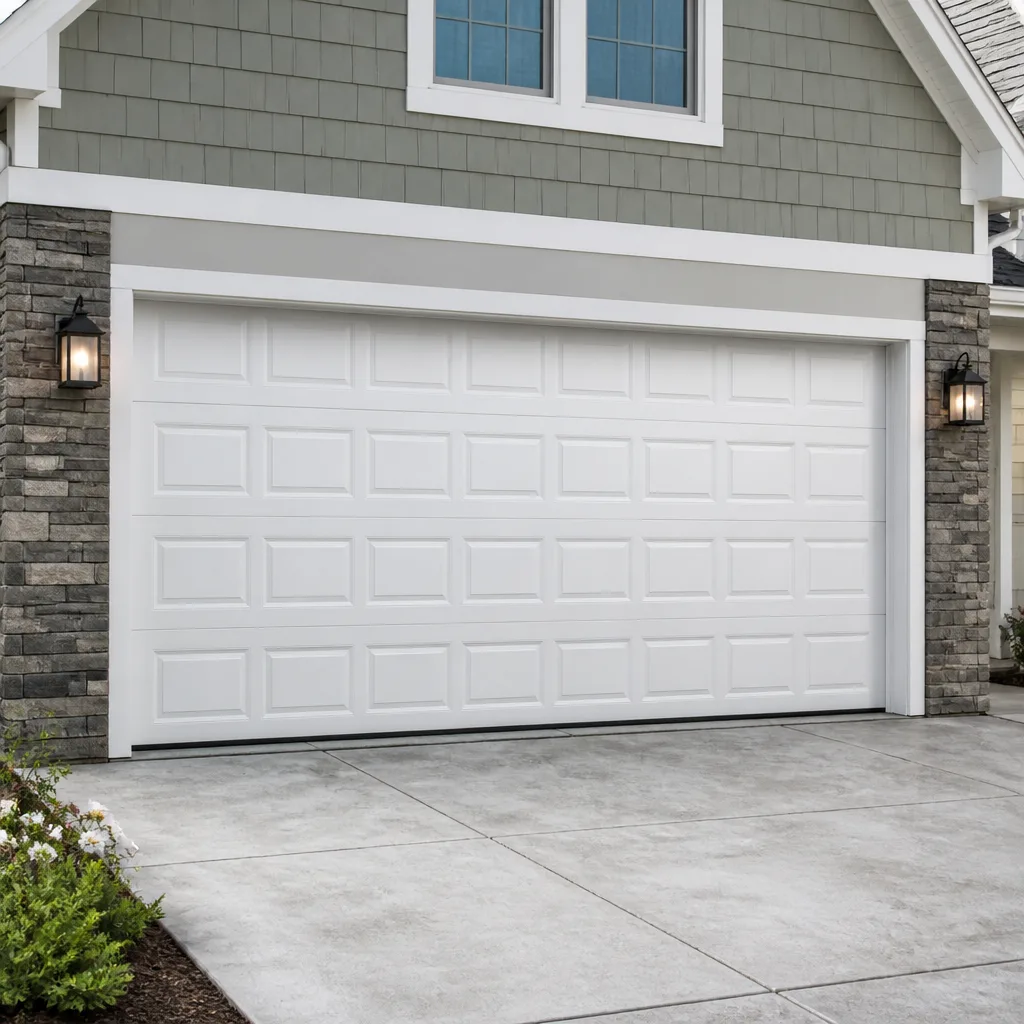 Raised-panel steel
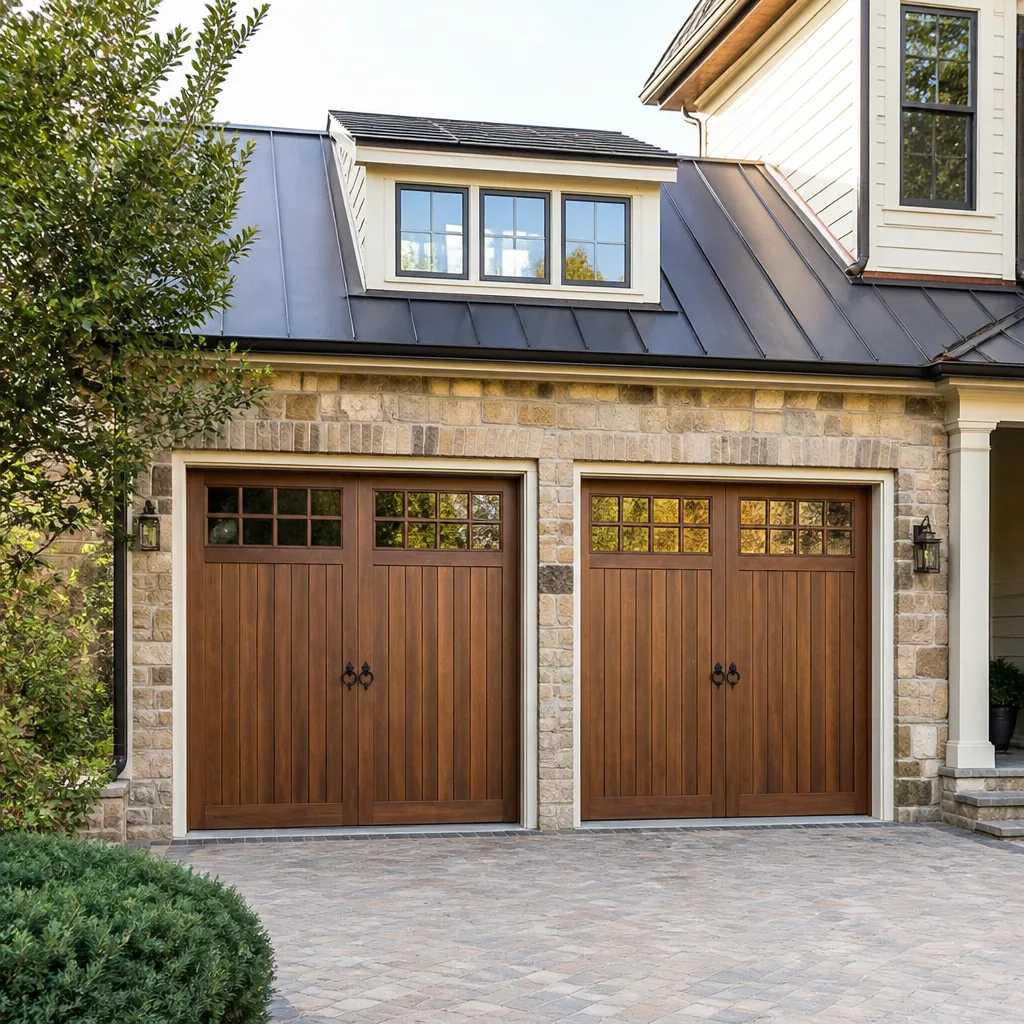 Carriage house
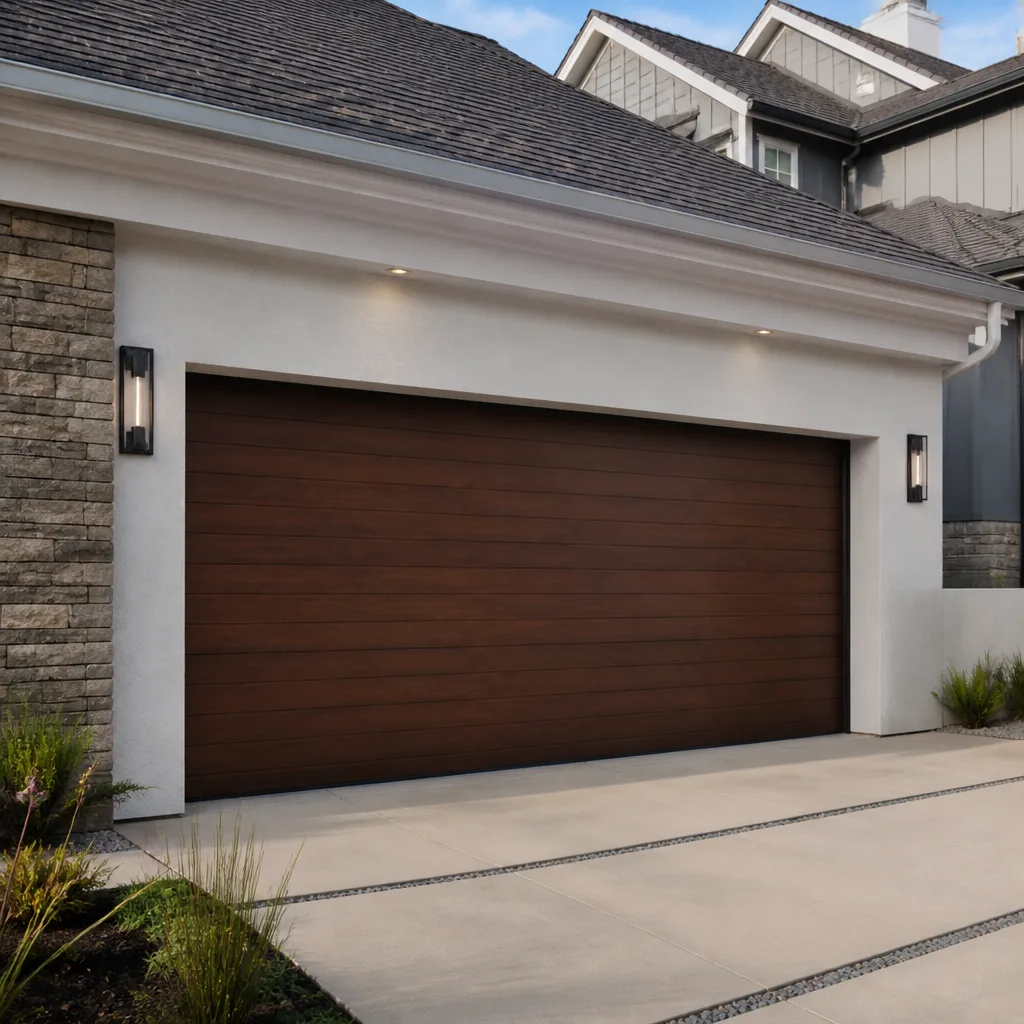 Modern flush
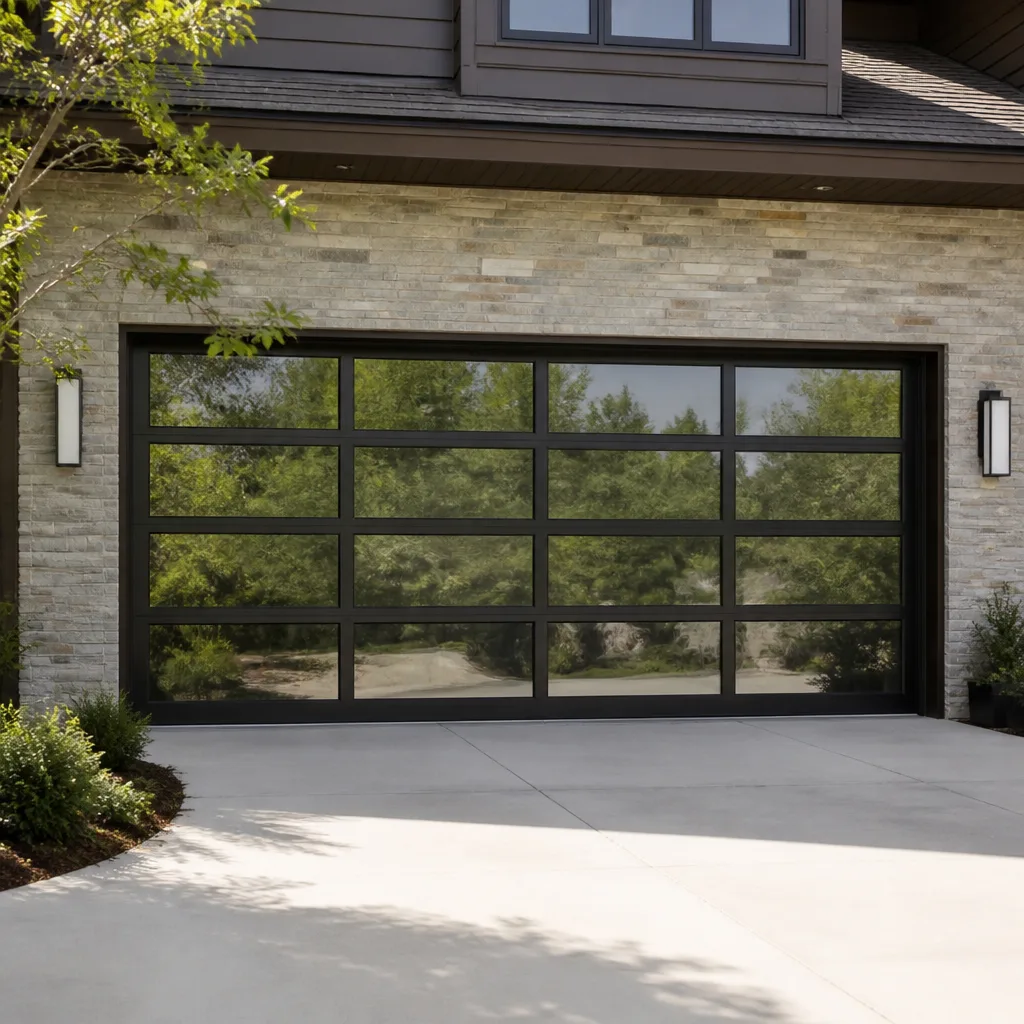 Full-view glass
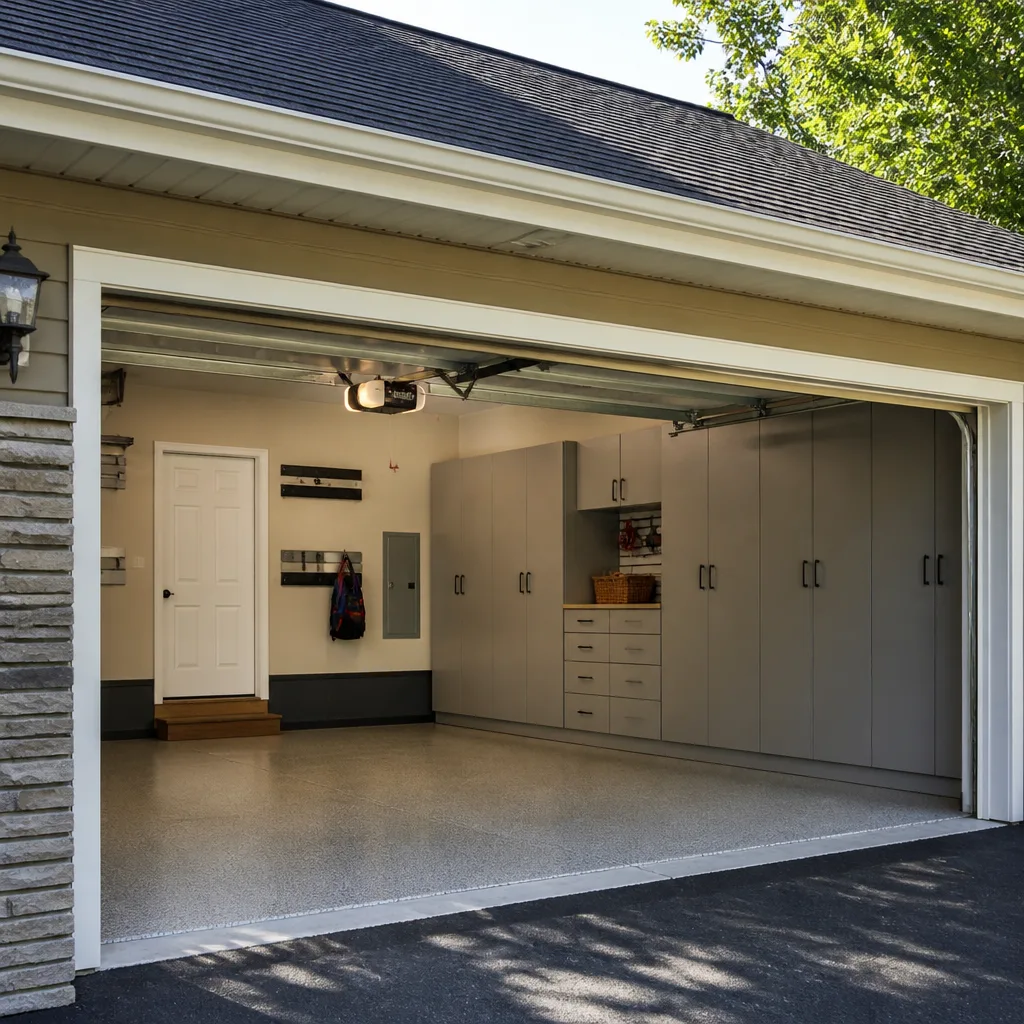 LiftMaster openers
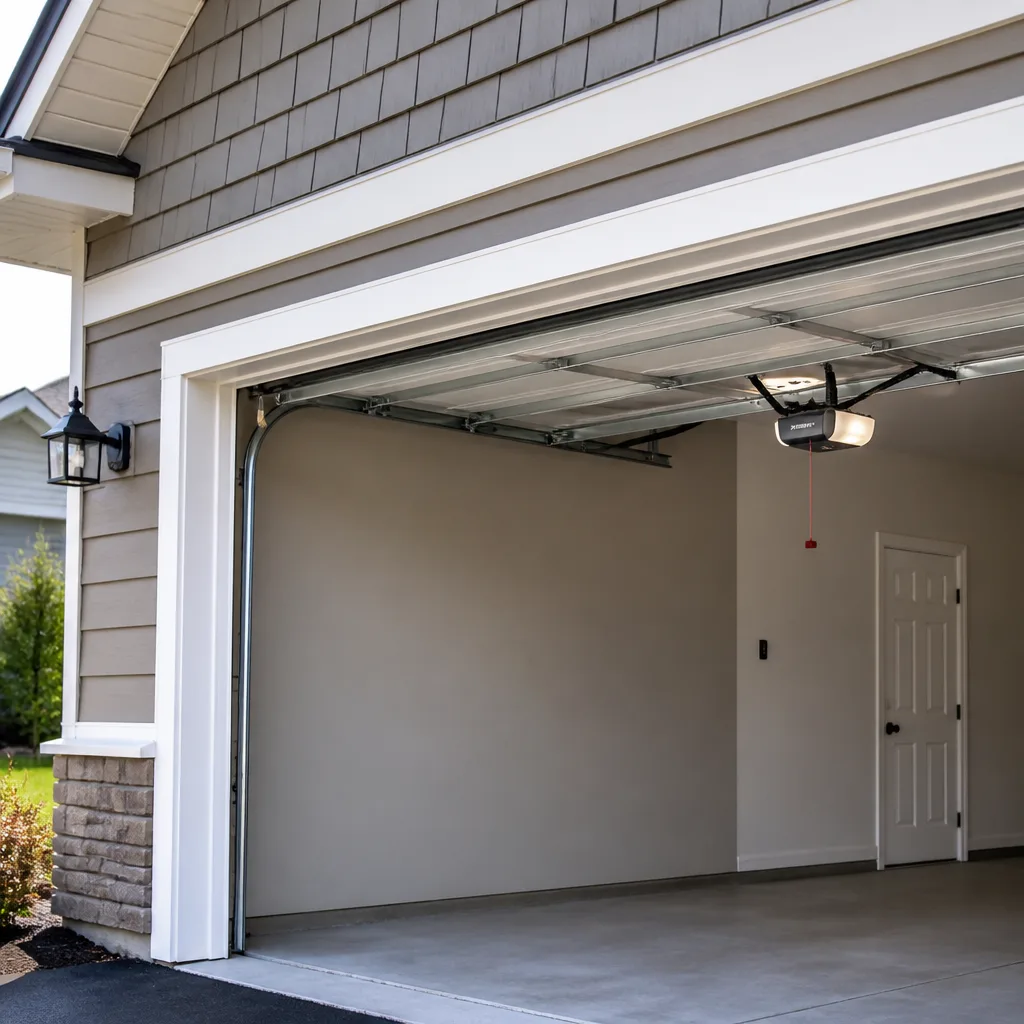 Chamberlain openers
Full 25-point door and opener safety check with every visit - springs, cables, rollers, tracks, and your LiftMaster or Chamberlain opener included
You get a price before we start. It does not change when the pro arrives.
Get your free estimateSeasonal Garage Door Care for Price Hill: Year-Round Homeowner’s Guide
Most homeowners in Price Hill brace for a spring failure in January, then relax once the thaw sets in. That’s backwards. The coldest weeks are usually the quiet ones. The real breaking point comes weeks later, when a torsion spring that has spent the whole winter contracting and expanding finally gives up the first warm morning somebody throws the door open. This guide walks through all four seasons of garage door care in Price Hill, one 90-day window at a time, because the stressors that wear out your springs, opener, weatherstrip and bottom seal change with the calendar. Read it once, then keep it somewhere you’ll actually find it.
Quick Answer
Garage door care in Price Hill needs attention in every season, not just winter: inspect springs and cables after the last hard freeze in spring, watch for humidity swelling on wood and composite doors in summer, lubricate and reseal everything before the ground freezes in fall, and never force a frozen bottom seal in winter. A simple two-hour seasonal routine, repeated four times a year, is what keeps most doors out of the emergency repair column.
Styles & brands we work with
- Raised-panel steel
- Carriage house
- Modern flush
- Full-view glass
- LiftMaster openers
- Chamberlain openers
Table of Contents
- Why Spring Is the Highest-Risk Season for Garage Doors
- Summer in Price Hill: Heat, Humidity and Openers
- Fall: The Pre-Winter Prep Sequence
- Winter: Frozen Seals and Cold-Temperature Openers
- What Alley-Facing Garages in Price Hill Deal With Year-Round
- The Full Year-Round Inspection Checklist
- Brand-Specific Notes: Craftsman, LiftMaster, Chamberlain and Raynor
- When Seasonal Care Isn’t Enough
Why Spring Is the Highest-Risk Season for Garage Doors
Spring is when most garage door springs fail in Price Hill, not winter. The metal in a torsion spring doesn’t care about the temperature on the day it snaps. It cares about the number of stress cycles it has absorbed, and a southwest Ohio winter loads a door with dozens of them. Every night the steel contracts, every daytime warm spell lets it relax, and by March or April a spring that was already nearing the end of its cycle life finally lets go on the first slam of the season.
That makes post-winter inspection the single most valuable thing you’ll do all year. Once the last hard freeze has passed, spend twenty minutes with a flashlight and check:
- Torsion springs above the door: look for a visible gap in the coil. A spring with a daylight gap between coils has broken and the door should not be used until it’s addressed.
- Extension springs beside the tracks: check for stretched gaps, sagging, or missing safety cables.
- Lift cables: look for fraying near the drum, kinks or rust-colored bleed. A compromised cable is a stop-using-it situation.
- Rollers: spin each one by hand. A wobbly, flat-spotted or seized roller puts extra load on the opener and the spring.
- Track alignment: run a straightedge along the inside of each track. Any bend more than a few millimeters will make the door drag.
If anything on that list looks off, keep the door shut and pull the manual release only with the door fully closed. Spring and cable work is where real injuries happen, because both parts hold enormous stored tension even when the door looks harmless. We handle garage door repair across Price Hill with technicians who’ve spent up to 15 years learning exactly how these components behave under load, and we’d rather you call us than test that knowledge yourself.
What a Spring Inspection Actually Tells You
Springs don’t fail randomly. They fail at the point where the wire has been fatigued the longest, and that fatigue builds season by season. A spring that shows any daylight gap, or a door that feels noticeably heavier in the last few inches of its travel, is telling you the spring has already lost tension. Seized or sticky rollers make the same complaint, because the opener is doing more work than it should. If you can’t tell which of the two is the culprit, a technician can usually narrow it down in a few minutes. That diagnostic is the difference between replacing one spring and replacing the whole assembly after it snaps.
One more spring detail that catches a lot of Price Hill homeowners: most doors run two springs, and once one breaks, the other has absorbed the same amount of work over the same number of cycles. When we replace a broken spring, we recommend replacing the matched pair together. The second spring is very often on borrowed time, and a pair is the cheaper long-term outcome.
Summer in Price Hill: Heat, Humidity and Openers
Summer stress on a garage door is quieter than winter stress, but it’s just as real. Southwest Ohio heat and humidity do a slow number on wood and composite doors, on the opener’s electronics, and on the weatherstrip that keeps the whole thing sealed. Summer is also when a little gap in your weatherstrip becomes a doorway for insects and small rodents looking for shade.
Wood and Composite Doors in High Humidity
Wood doors swell and shrink with the moisture level in the air, and a Price Hill summer pushes that moisture high enough to cause movement. That movement shows up as sticking at the panels, hairline paint cracks, and seal gaps that weren’t there in March. Composite doors don’t swell the same way, but the joints at the panel edges still absorb moisture over time. What you’re looking for:
- Paint or stain failing at the bottom panel where moisture sits longest
- Panel edges that rub against the frame as the door opens
- Gaps at the weatherstrip that weren’t visible in spring
- Any softness in the wood when you press a coin against the bottom edge
Openers in a Hot Garage
An attached garage in Price Hill can run noticeably hotter than the outside air on a summer afternoon, and that heat stresses opener electronics. Motor capacitors lose a little efficiency in high heat, and the plastic gears inside belt and chain units get soft. If your opener hesitates, reverses on its own, or the lights flicker when you press the remote, that’s a summer symptom worth a look. We work on garage door opener repair for both major smart-opener ecosystems, so whether the unit is a LiftMaster, Chamberlain, Genie or Craftsman, we can diagnose it by its own logic rather than guessing.
Pest Entry Points to Check in July
Your bottom seal and weatherstrip are the front line. In summer, run your hand along the bottom seal and look for daylight underneath. A seal that’s hard, cracked or started to pull away from the door is an open invitation. Replace it before the fall pest season, not after.
Fall: The Pre-Winter Prep Sequence
Fall is the season that pays you back in January. Everything you do before hard ground freeze makes winter manageable, and everything you skip becomes a winter problem. Do these in order, ideally before the first frost, while it’s still warm enough to work comfortably:
- Lubricate everything that moves. Apply a garage door specific lubricant (not WD-40, which is a solvent and attracts grit) to the hinges, the roller stems, the torsion spring coils and the opener’s chain or screw. A white lithium or silicone spray works well for most residential doors. Never lubricate the tracks themselves.
- Inspect and replace the bottom seal. This is the rubber or vinyl strip at the floor. It’s the part that has to flex against cold, hard ground for months. A seal that leaves daylight underneath is a seal that will let in cold air, snow and mice all winter.
- Check the perimeter weatherstrip. That’s the trim seal around the sides and top of the door opening. Look for cracks, stiffening, and gaps. A dollar bill held in the closed door should meet light resistance as you pull it out.
- Test the auto-reverse. Put a solid object flat under the closing door. If it doesn’t reverse on contact, the opener’s force setting or safety sensor needs attention before it can get you into winter trouble.
- Clear the tracks. Vacuum or wipe out any grime, leaf litter or debris that’s built up over summer. Debris in the tracks in cold weather turns into a sticking point.
- Check the gap between door panels. Any seasonal panel separation worth fixing should be tightened before the cold makes the metal less forgiving.
If you’d rather have a technician walk the whole sequence once before winter, a seasonal tune-up is the most useful two hours you’ll spend on your garage all year. It’s also handy to know: in Price Hill, most of the tracks and faces here have a layered, settled look that goes back decades, so an older door often responds well to this kind of hands-on care.
Winter: Frozen Seals and Cold-Temperature Openers
Every winter one thing goes wrong way more often than anything else: the door freezes to the floor. Snowmelt runs under the bottom seal, refreezes overnight, and the door is stuck. The instinct is to pull the manual release and haul it up by hand. Don’t. The moment that matters most comes before you touch a thing.
When Your Door Freezes to the Floor
Here’s the safe sequence:
- Leave the door closed and stop pressing the remote. The opener has a force-sensitive limit, and forcing it against a frozen edge won’t get the door up. It will just strain the opener.
- Clear snow and ice from outside the door. A shovel and a stiff broom are your tools. Get the snowbank pulled back from the bottom seal before doing anything else.
- Free the seal gently. Warm water poured along the bottom edge is safe and effective. Never use a hammer, chisel, de-icer salt or a torch on the seal.
- Once the seal is free, test by hand. With the door released, lift it a few inches. If it moves easily, re-engage the opener and run a single full cycle.
- If the door is still stuck or the opener won’t respond, call. A frozen door that won’t release is often a sign the seal has stiffened beyond usefulness, or that something else is binding.
Cold-Weather Opener Settings
Most modern openers, including the LiftMaster and Chamberlain units most Price Hill doors run, have adjustable force and travel settings. In extreme cold, a door that worked fine all summer can start triggering the auto-reverse because the force required to move it has gone up. Before adjusting the force limit yourself, understand that the limit is a safety mechanism. Turning it up means the opener will push harder if it meets an obstruction. Our advice is to leave the force setting alone and address the underlying cause: stiff rollers, a tight seal, or a worn spring. If you need it looked at, we can help.
What Alley-Facing Garages in Price Hill Deal With Year-Round
Many Price Hill homes have a rear garage that opens onto an alley rather than a driveway, and that layout changes the maintenance calendar. Alleys collect leaf litter, wind-blown grit, discarded branches and the occasional bag of landscape scraps. All of it has a way of finding the bottom of a garage door. Spring and fall are the two seasons where the difference is most dramatic.
What alley-facing doors face that street-facing doors mostly don’t:
- Debris buildup against the bottom seal. Leaf litter and grit collect on the alley side of the door and jam into the seat of the seal. Over a season, they chew away at the rubber faster than normal use would.
- Drainage standing against the door. Alleys often slope more aggressively toward the door than a graded driveway would. After heavy rain, water laps against the bottom seal for hours.
- Weatherstrip on the alley side takes more impact. Stray branches, garbage cans and vehicles turning too tight all bite into the perimeter seal that faces the alley.
- More leaves in the tracks. Alley leaves blow straight into the lower tracks and jam up in the corners.
If your Price Hill garage faces an alley, add two extra checks every season: clear debris from the base of the door on the alley side, and look at the perimeter weatherstrip for abrasion damage. A season of alley grit can do as much wear as a year of rain. If the alley face is already worn through, replacing the weatherstrip is a fast job and stops the moisture problem before it reaches the bottom panel.
The Full Year-Round Inspection Checklist
If you keep no other list from this guide, keep this one. Run it once each season, at the start of spring, summer, fall and winter.
Every Season
- Look at both springs for visible gaps or sagging (eye check only, do not touch)
- Look at the lift cables for fraying or rust bleed
- Test the auto-reverse with a solid object under the closing door
- Test the safety sensors with a hand across them; the door should reverse
- Wipe down and lubricate the hinges, roller stems and opener chain with a door-specific lubricant
- Clear debris from the base of the door and from the tracks
- Check the bottom seal for daylight underneath and for cracks
- Listen for unusual noise (squealing, grinding, a clunk in the last few inches)
Spring Only
Post-winter spring inspection is the highest priority of the year. Do the full spring and cable check once the last hard freeze has passed.
Summer Only
Check wood and composite panels for moisture, swelling and paint failure. Check the opener for hesitation or reversing that wasn’t there in spring.
Fall Only
Run the full pre-winter prep sequence. Replace any weatherstrip or bottom seal that won’t make it through the season. Test that the whole door still shuts level and flush against the seal.
Winter Only
After any snowfall, clear snow from the base of the door before it refreezes. If your door sticks to the floor, follow the safe sequence in the winter section above and never force it.
Brand-Specific Notes: Craftsman, LiftMaster, Chamberlain and Raynor
The wear pattern on your door and opener depends a lot on which brand you own. We work on eight of the most-installed brands, and a few of them have quirks worth knowing about when you’re doing seasonal checks.
Craftsman and the Older Chain Drives
Craftsman openers, especially the older chain-drive units, are widely represented in Price Hill and are generally forgiving in cold weather. The rail and chain are the parts that need attention. In fall, check the chain tension: it should have some slack, not tight. A tight chain in cold weather strains the sprocket. If the opener hums without moving the door, the drive gear inside the housing has probably stripped, which is a very common Craftsman failure and a straightforward repair.
LiftMaster and Chamberlain
LiftMaster and Chamberlain units (the same underlying platform) usually hold up well in cold weather, but the safety sensor alignment is the seasonal weak point in this climate. Snowbanks and ice can nudge a sensor slightly out of alignment, and the door will then refuse to close. If yours won’t close and the light on the sensor is blinking, that’s usually alignment, not failure. The fix is small. The trick is knowing which of the two sensors is throwing the fault.
Raynor Doors
Raynor doors are sturdy, and the torsion assembly on most residential Raynor models is the part that governs reliable operation. If your Raynor door feels heavier at the bottom of its travel in spring, the spring is the first place to look. Raynor doors are also sensitive to track alignment, more so than most flat-panel steel doors, so the seasonal track check matters more on a Raynor.
If you’re upgrading rather than repairing, our garage door installation work covers the same brands, and we’ll tell you honestly whether a new door makes more sense than another round of repairs. If you’re weighing a full replacement, the garage door repair service in Price Hill team can walk you through what the switch actually involves: measure, brand selection, and a written price before any work begins.
See the difference
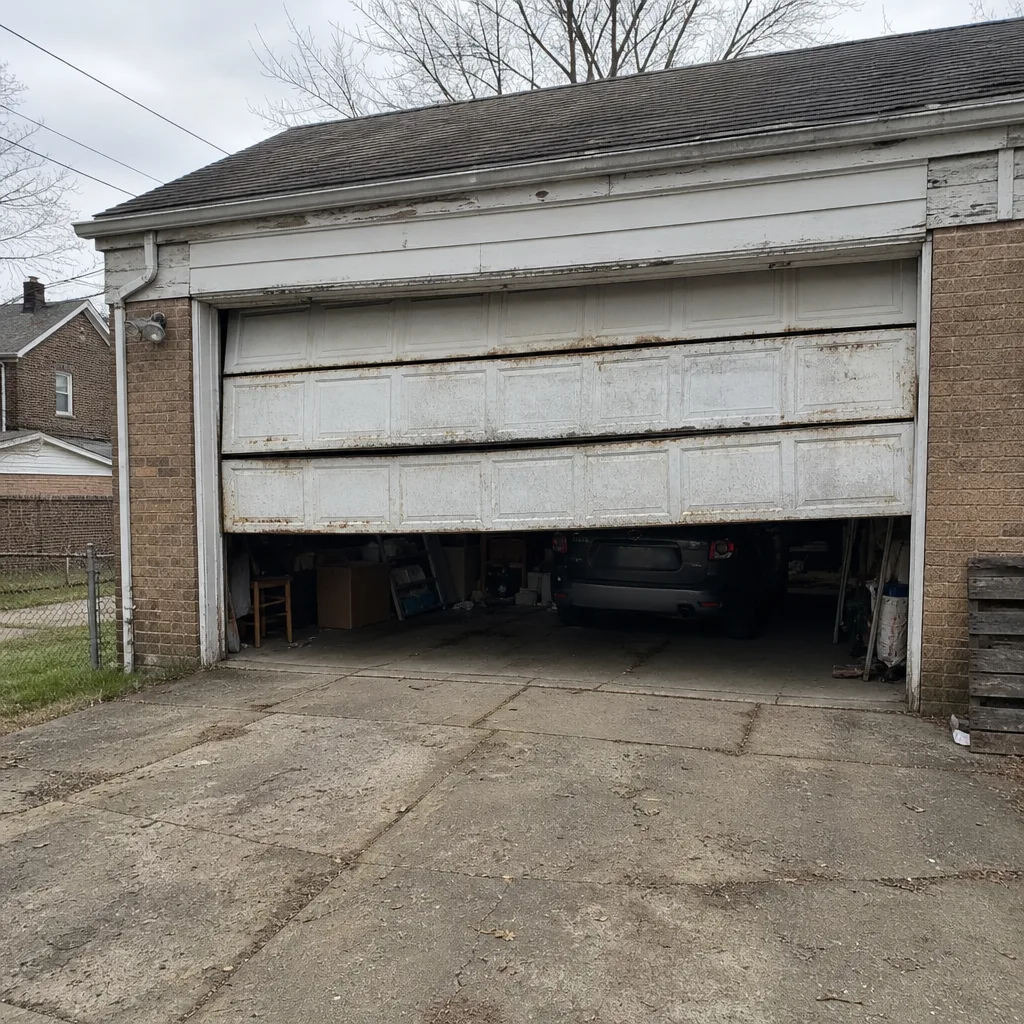 Before
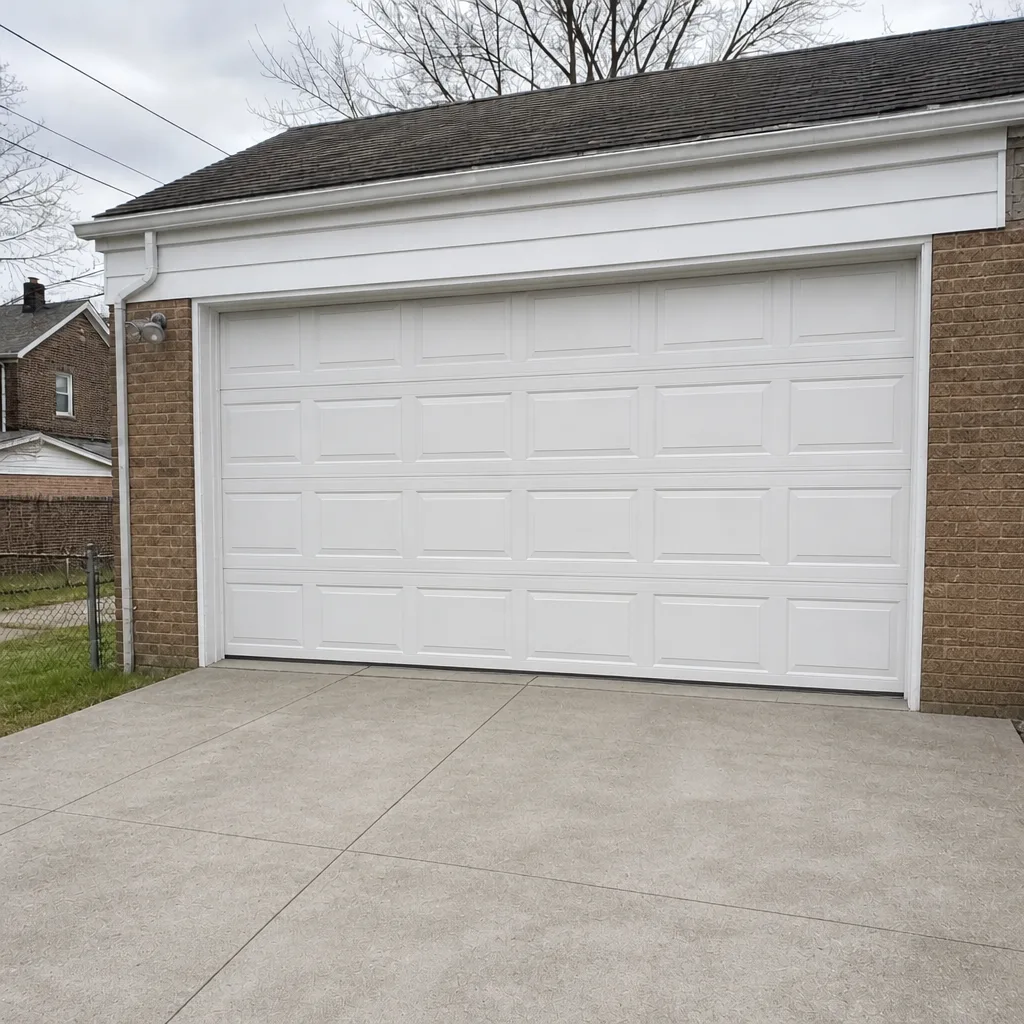 After
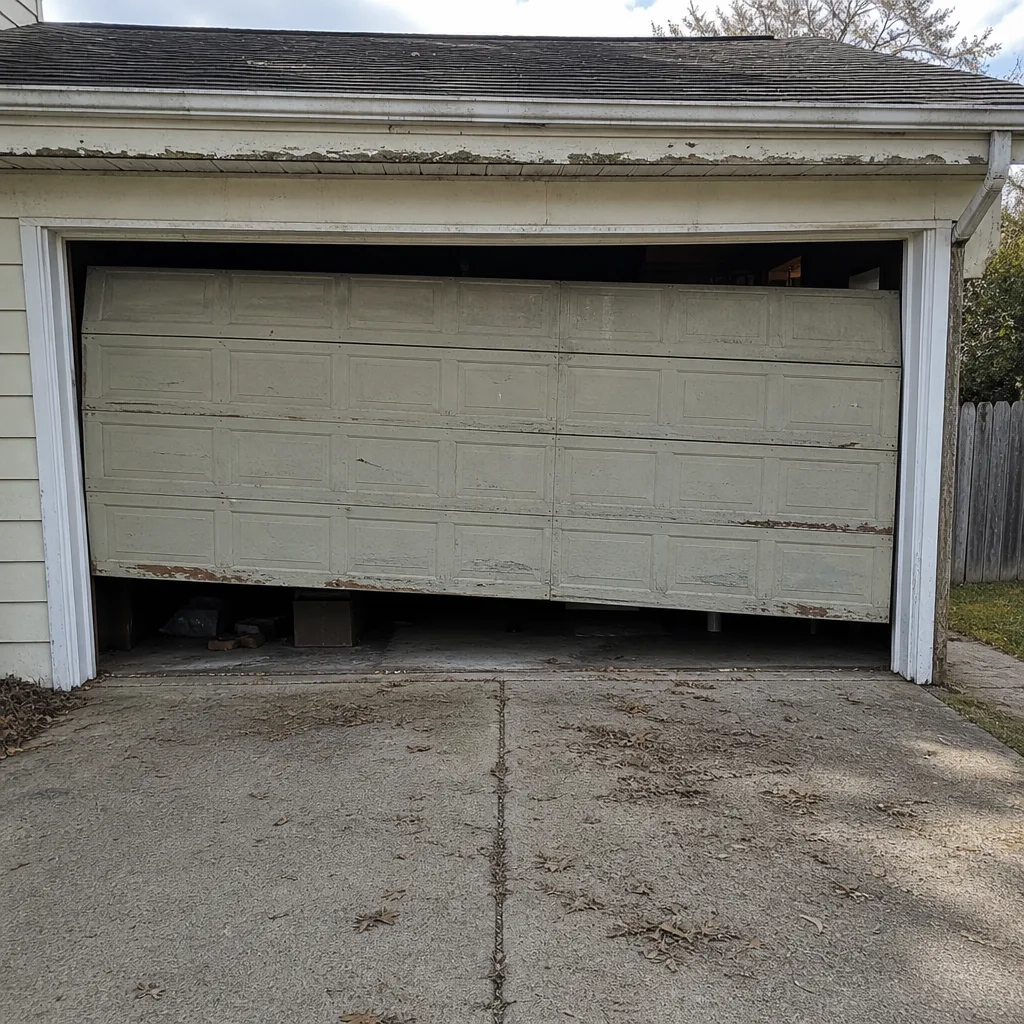 Before
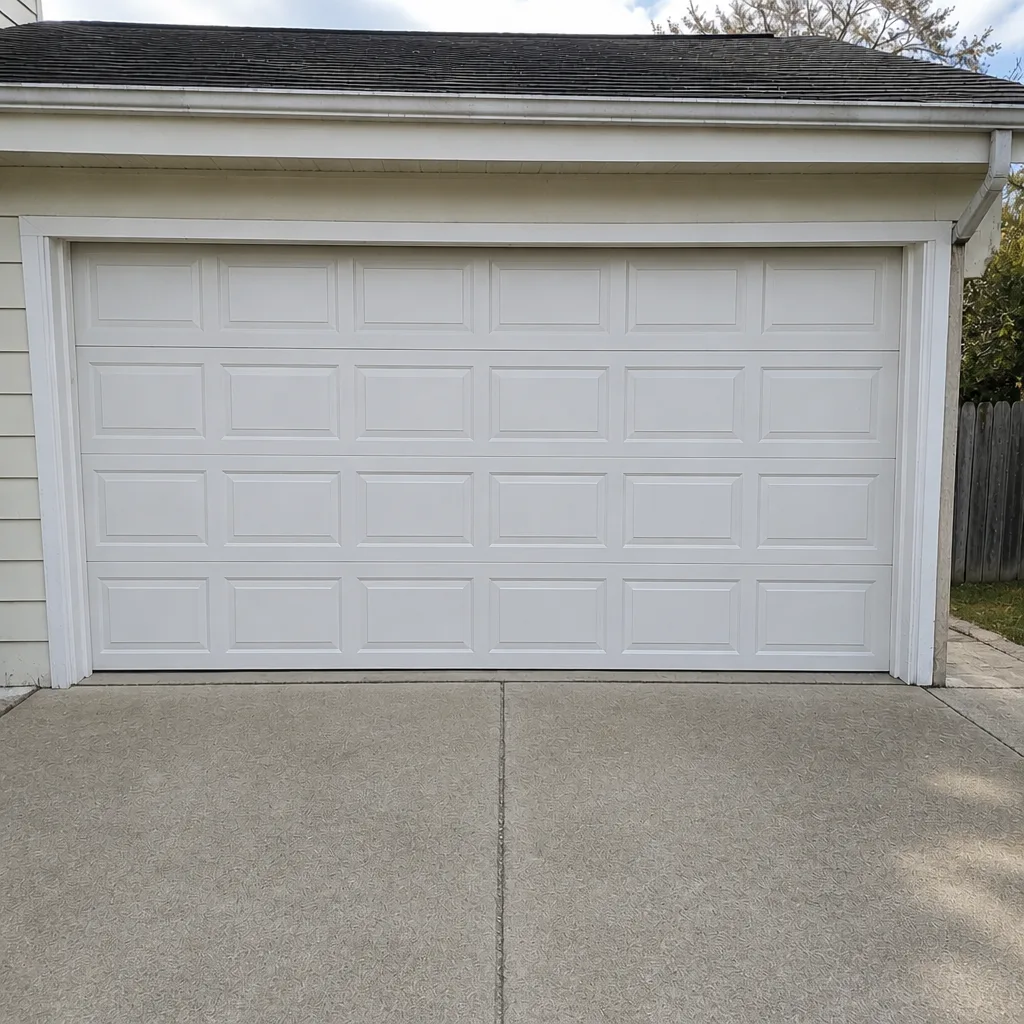 After
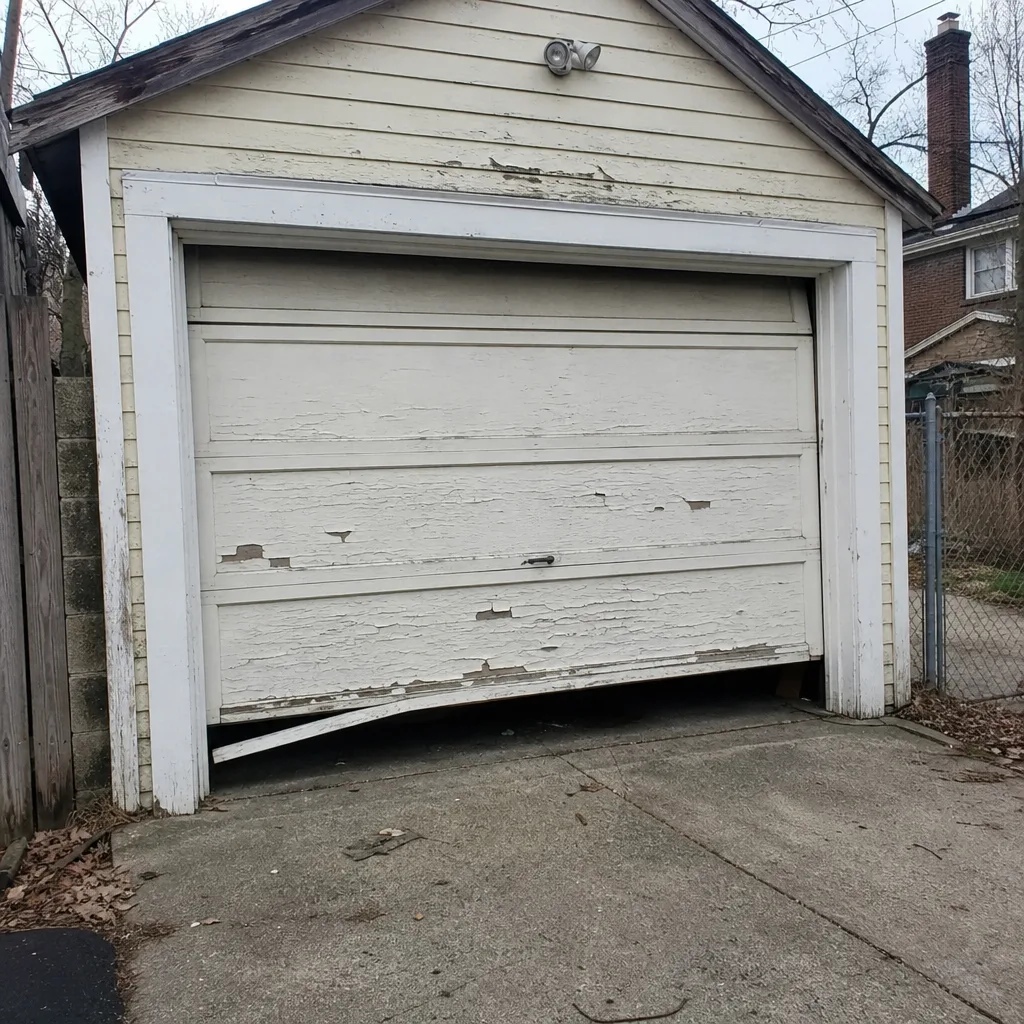 Before
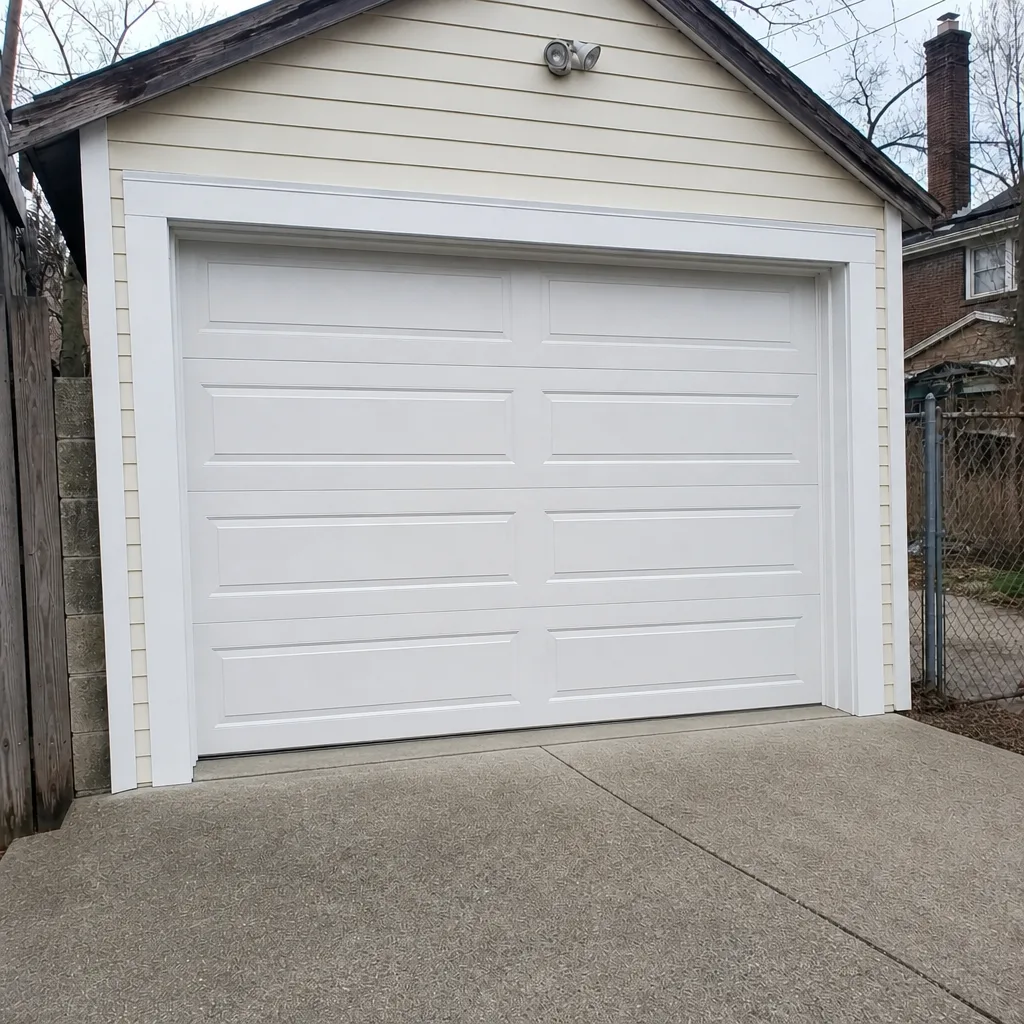 After
Common Mistakes to Avoid
- Waiting until spring to do your fall prep. The prep sequence has to happen before the ground freezes, because frozen ground is what creates the winter problem. Prep in October, not April.
- Lubricating the tracks. This is the most common mistake we see. Tracks should stay clean and dry. Lubricant on the tracks attracts grit and causes the rollers to slide instead of roll, which eventually damages them.
- Adjusting the opener’s force limit instead of fixing the cause. Turning up the force limit is like raising a fuse rating because it keeps blowing. It hides the problem and defeats the safety mechanism.
- Forcing a frozen door. A frozen bottom seal is a temporary problem. A bent panel, torn cable or stripped opener gear from forcing it is a long-term one.
- Replacing just one spring when the other is the same age. Springs wear as a matched pair. Replacing one and leaving the other just sets up the second call three months later.
- Ignoring alley-side weatherstrip wear. This is the one that catches Price Hill homeowners most. The alley-facing seal takes more abuse than the street side, so it usually needs replacement first.
- Doing spring or cable work yourself. Both parts are under high tension. Spring and cable work is done by a technician, not a homeowner.
When to Call a Professional
Call a professional if you see a broken spring, a frayed or kinked cable, a door that runs off its track, an opener that hums and doesn’t move, a door that reverses immediately on closing, a door stuck open, or an opener that won’t respond at all. Those are the situations where waiting risks further damage and where DIY work is genuinely unsafe. We service all four common brands and both major opener ecosystems, so whether it’s a stuck Craftsman opener, a Chamberlain sensor out of alignment or a Raynor spring that went in the thaw, we can diagnose it the first visit. We also offer dedicated emergency service for situations where the door won’t close, the door won’t open, or your car is trapped. Garage Door Repair Price Hill offers free estimates in Price Hill. Call (855) 773-8249. We answer 24/7. Fast dispatch from 7am to 7pm, Sunday through Friday.
Frequently Asked Questions
Springs most often fail in spring in Price Hill, not winter, because the metal has been contracting and expanding through dozens of freeze-thaw cycles and gives out on the first warm morning the door is opened. The failure is usually on the daily cycle of the door after the season changes. Get a spring inspection done after the last hard freeze to catch it before it snaps.
Yes, and you should. Hinges, roller stems and the opener chain are all safe to lubricate with a garage door specific white lithium or silicone spray. Never lubricate the tracks and never lubricate the spring itself. If you see a gap in the spring coil or a frayed cable, stop and call.
Snowmelt runs under the bottom seal, refreezes overnight, and bonds the door to the concrete. Never force the door up. Clear the snowbank from outside, pour warm water along the seal to release it, and test by hand before re-engaging the opener. If it won’t release, the seal is likely frozen solid or has stiffened and needs replacement.
Alley-facing garages see faster weatherstrip wear and more debris in the tracks than street-facing garages. Leaf litter, grit, and standing water collect on the alley side of the door, and the seal takes more impact. Check the alley-side seal and bottom seal every season, and clear debris before it works into the seal seat.
Once a year for most homes is plenty, and twice a year if your door faces an alley or gets heavy daily use. The best time to schedule is fall, so the door is prepped before winter and the whole thing can be checked in one visit before the cold arrives. A yearly tune-up also catches spring and cable wear early.
Most modern LiftMaster, Chamberlain, Genie and Craftsman openers handle cold weather fine as long as the door itself isn’t binding. If your opener is starting to hesitate or reverse in the cold, the problem is usually the door, not the opener: stiff rollers, a tight seal or a spring losing tension. Don’t adjust the force limit. Fix the door. Call (855) 773-8249 for an exact quote. Estimates are free.
The Bottom Line
Seasonal garage door care in Price Hill is a four-times-a-year habit, and each season has its own priorities. Spring is for post-winter spring and cable inspection, because spring is when most springs fail. Summer is for humidity, wood and composite door checks, and opener behavior in a hot garage. Fall is for the full prep sequence before ground freeze. Winter is for patience when a door freezes to the floor, and for leaving the force limit alone. If you live on an alley in Price Hill, add two extra debris and weatherstrip checks per season. That’s the whole calendar. Run it once and most doors stay out of the emergency column.
Need help with any season? Call (855) 773-8249 for a free estimate in Price Hill. We answer 24/7. Fast dispatch from 7am to 7pm, Sunday through Friday. Visit our Garage Door Repair Price Hill home page for the full scope of what we do.
Written by the team at Garage Door Repair Price Hill.